

Sustainable cosmetic packaging. Sustainability you can put in front of a buyer.
Recycled content, certified board and recyclable structures, specified in writing and checked at production. Every claim on your pack comes with the documents a retailer or regulator will ask for.
Book a Discovery Call →Six ways to make a pack more sustainable, and what to watch with each.
Most brands combine two or three. The right mix depends on your formula, your retailer and how fast you need to launch.
FSC-certified paperboard
Fibre from responsibly managed forests, traced through a verified chain of custody. Labelled FSC 100%, FSC Mix or FSC Recycled.
Watch forYou can print the FSC logo only when your supplier holds an active chain-of-custody certificate.
Folding cartons and rigid boxes →Recycled-content paperboard
Board with post-consumer waste content, from partial PCW stocks up to 100% recycled pulp.
Watch forHigher recycled content can shift shade and surface. Approve a printed proof on the real stock.
RMS Beauty: 30% PCR paperboard →PCR plastic
Post-consumer recycled PET, HDPE and PP at 25%, 50%, 75% and up to 100% content, in the same formats as virgin resin.
Watch forClear bottles at high PCR can carry a grey or warm tint. Approve samples before you commit.
PCR vs mono-material vs refill →Mono-material
One material through the whole pack, so it can be recycled as a single stream. Common in tubes, pouches and sachets.
Watch forPumps and closures are the usual blocker. Specify mono-material at the start, not after tooling.
Primary packaging components →Refill and reuse
A durable outer pack and a light, simple refill, often a pouch or cartridge. The strongest reduction story when customers actually buy the refill.
Watch forEach component has its own minimum. Test the whole customer journey and involve your filler early.
Refillable packaging guide →Inks, coatings and adhesives
Vegetable-based and low-VOC inks, EuPIA-compliant ink systems, water-based coatings and water-soluble adhesives.
Watch forLamination and heavy foil can take a carton out of the recycling stream. Choose finishes with end of life in mind.
Ink documentation for retailers →What each route costs your launch.
Sustainability decisions are lead-time and minimum-order decisions. Make them before the spec is locked.
| Route | Effect on lead time and MOQ | What it costs you | Best for |
|---|---|---|---|
| Certified or recycled paperboard | Low. Uses standard carton tooling and print processes. | Shade and surface vary with recycled content. | Retail cartons, kits, the first sustainability step for most brands |
| PCR plastic | Low to moderate. Existing formats and tooling. | Colour consistency and a narrower supplier choice. | Bottles and jars where a format change is not on the table |
| Mono-material | Moderate. May mean a different pump, closure or finish. | Can cost a component, a finish or a dispensing mechanism. | Tubes, pouches and sachets designed from scratch |
| Refill system | High. Two packs, two minimums, new operations. | Only works if the refill gets bought. | Hero SKUs with loyal repeat buyers |
More detail: PCR, mono-material and refill: lead time and MOQ · How we keep lead times short
A claim you cannot defend is worse than no claim at all.
A sustainability claim holds up when it names an external standard, states a documented figure and describes what is true of the finished pack. We write recycled-content, certification and recyclability requirements into the component spec, check them at production and keep the supplier documents on file, so a Sephora Planet Aware submission, an EPR report or a customer question has an answer.
On-pack recyclability labels such as How2Recycle need an active SPC membership. The FSC logo needs a supplier with a current chain-of-custody certificate. We confirm both before artwork is final.
Sustainable packaging we have delivered.
Each result is documented on the case study.
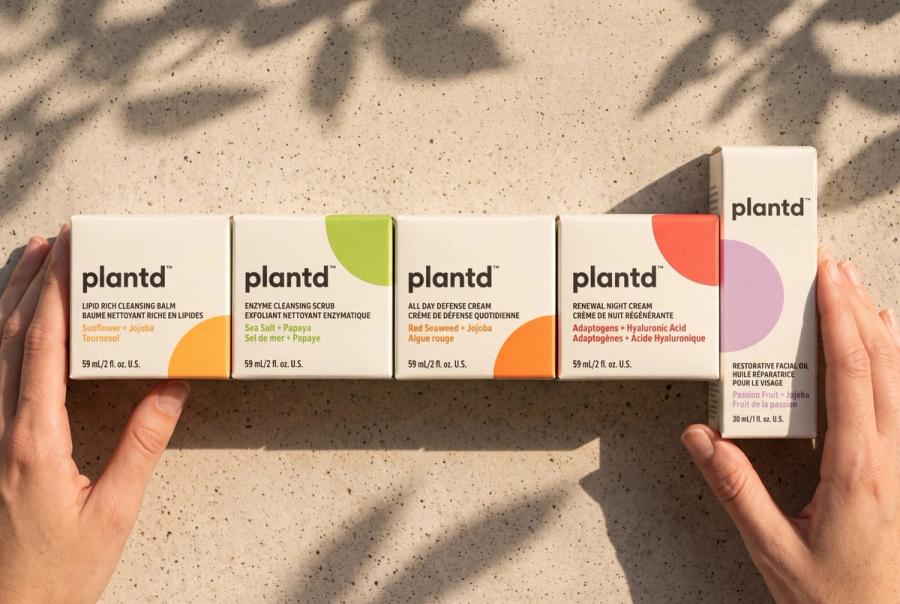 Natural Skincare Plantd Skincare Uncoated FSC-certified paperboard across five SKUs, with no extra finishes. View case study →
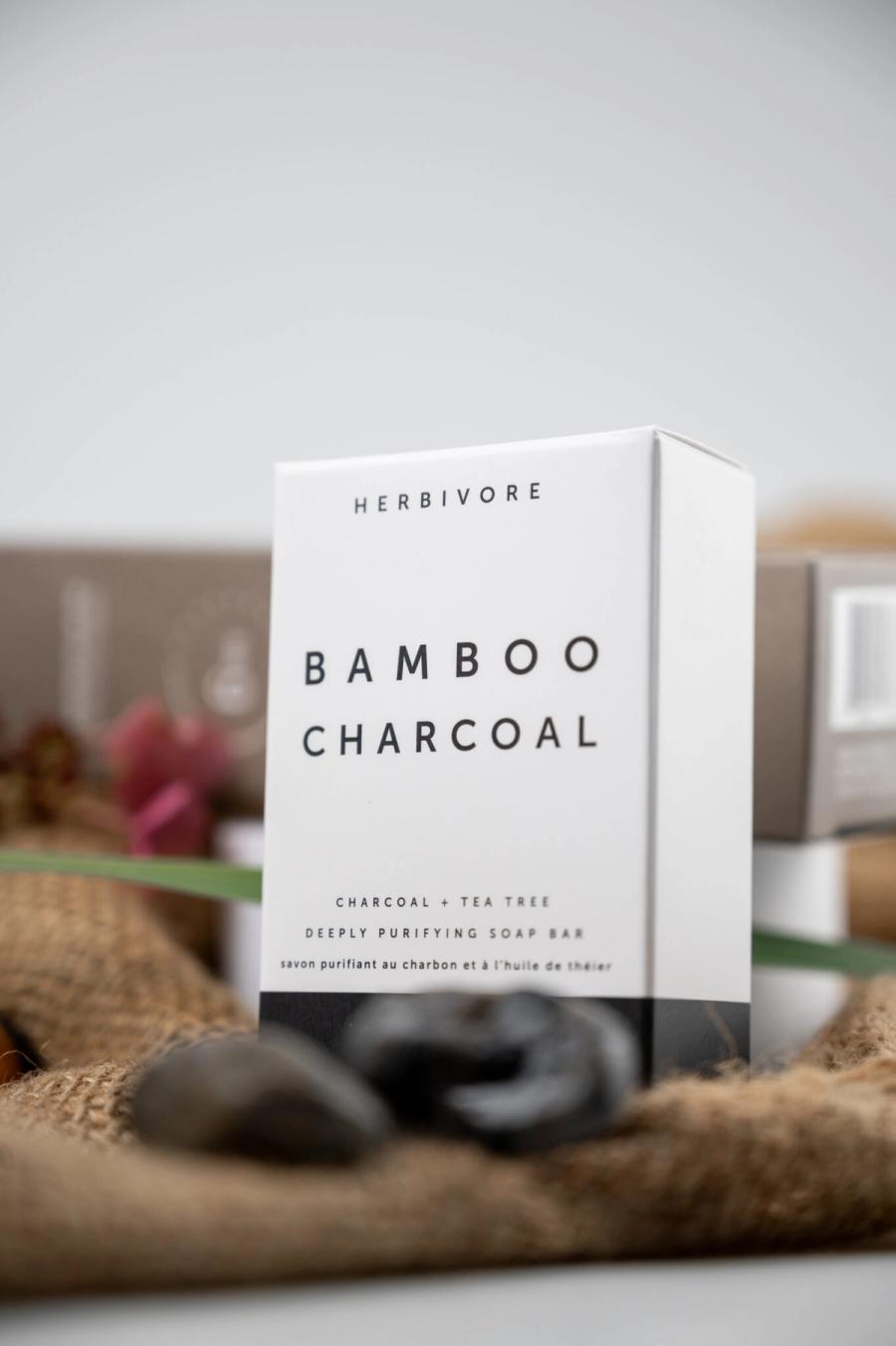 Clean Skincare Herbivore Botanicals FSC-certified cartons from a Pacific Northwest partner, with North American paperboard and Planet Aware-aligned materials. View case study →
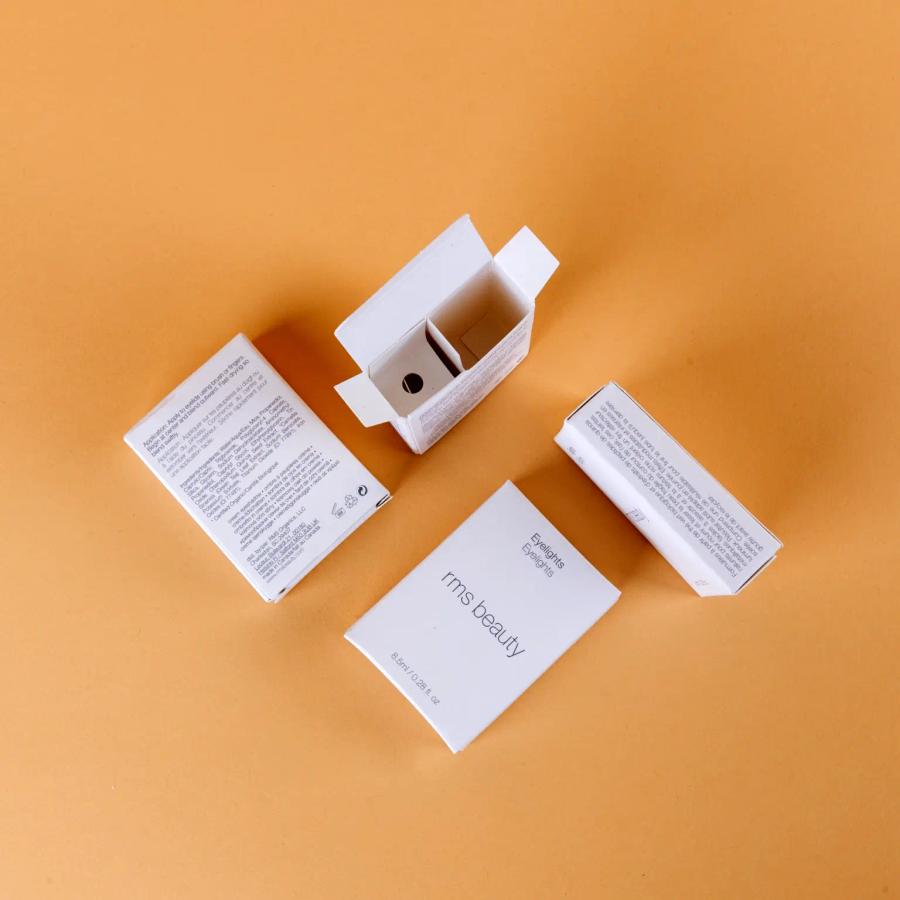 Clean Cosmetics RMS Beauty 30% post-consumer recycled paperboard for a new skincare line, matched to the existing look. View case study →
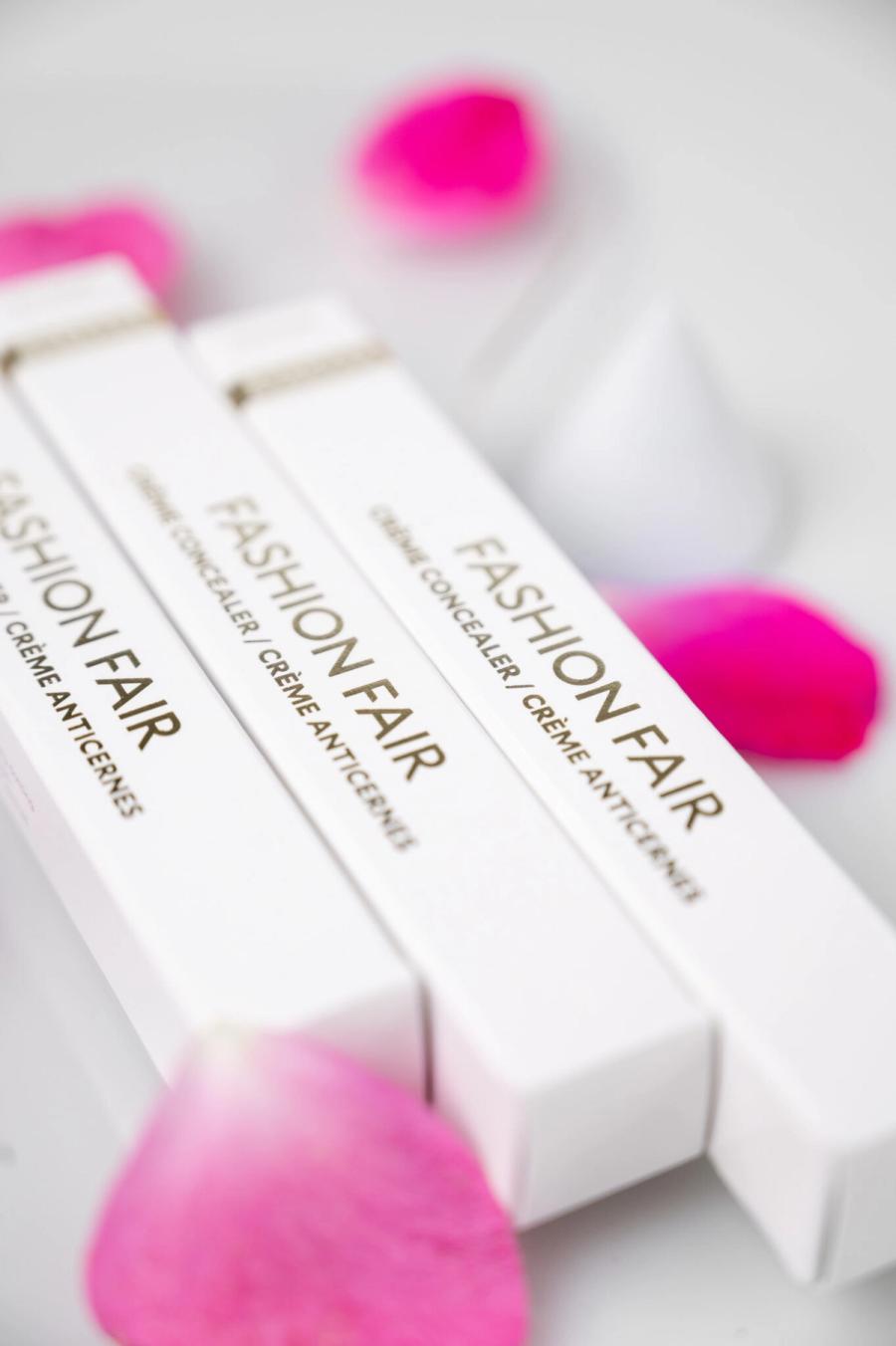 Legacy Prestige Cosmetics Fashion Fair FSC-certified paper and EuPIA-compliant inks, meeting Sephora Planet Aware guidelines. View case study →
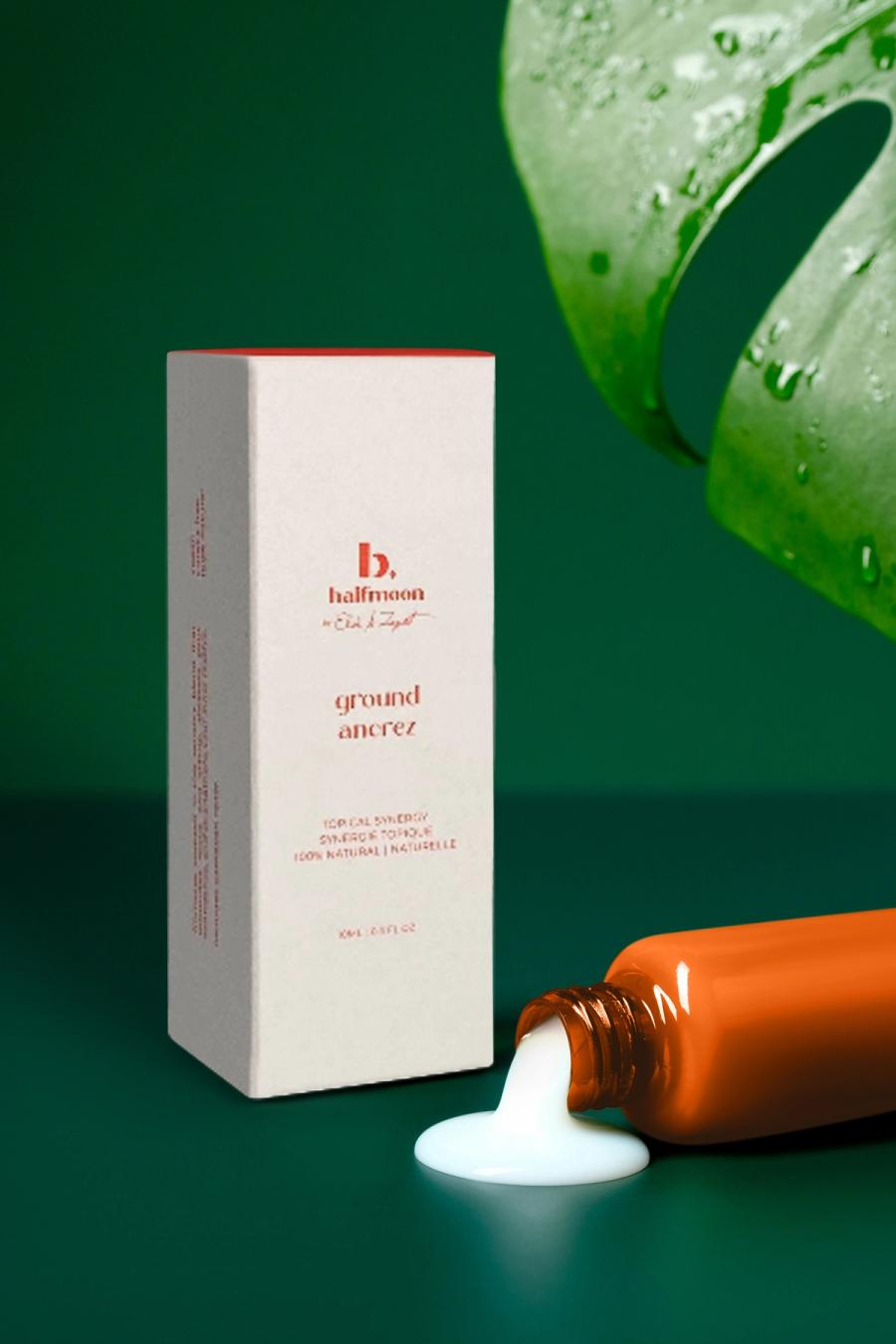 Wellness & Aromatherapy b, halfmoon 100% post-consumer waste paper for a refreshed aromatherapy roller line. View case study →
 Crystals & Self-Care Aethereal, Inc. A modular carton with minimal glue, curbside recyclable, replacing rigid packaging. View case study →
 Natural Haircare Oneka Elements Pantone-matched cartons that let shampoo and conditioner bars skip plastic entirely. View case study →
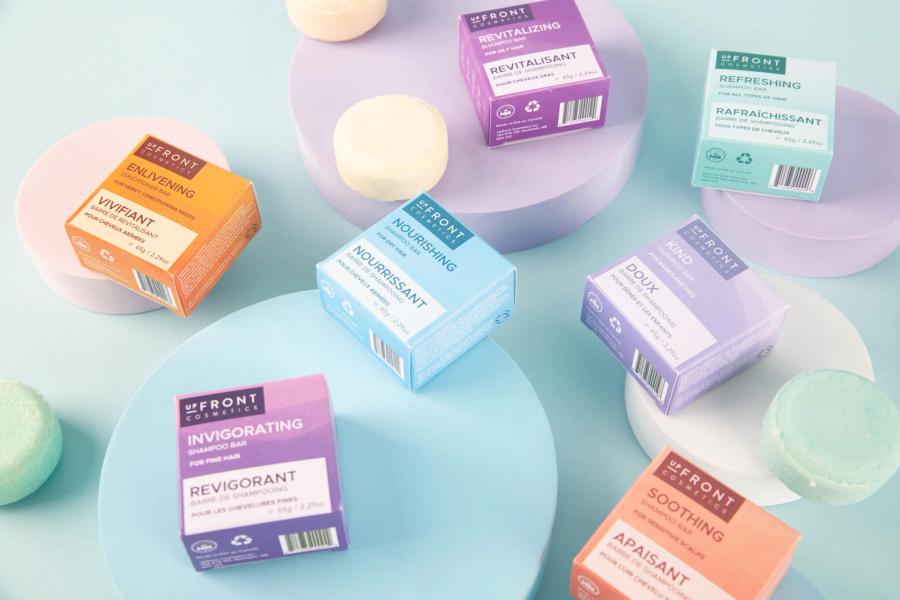 Cosmetics Upfront Cosmetics FSC paper sourced in North America, a 20% cut in lead time and shipping costs, fully recyclable packaging. View case study →
Where the pressure to change is highest.
Sustainable packaging questions we get asked.
Is sustainable packaging more expensive?
Often per unit, but not always in total. Right-weighting, fewer components and testing before launch can offset a higher material cost. Compare landed cost per filled unit, then spread one-off costs such as new tooling across your volume.
Which sustainable change should a brand make first?
Usually the secondary packaging. Switching cartons to FSC-certified or recycled-content board uses existing tooling and print processes, so it changes little in lead time or minimums. PCR plastic is the next step; mono-material and refill take more planning.
Does a sustainable material swap need testing?
Yes. A new substrate is not a like-for-like swap, even at identical dimensions. Test transit performance, behaviour on the filling line and decoration before approving it, and confirm lead time and minimums in writing.
What does FSC certification mean?
FSC stands for Forest Stewardship Council, which certifies that paper and paperboard come from responsibly managed forests through a verified Chain of Custody. The label appears as FSC 100%, FSC Mix, or FSC Recycled. Brands can use the FSC logo on packaging when their supplier holds an active Chain of Custody certificate.
What is PCR resin and what percentages can you offer?
PCR (post-consumer recycled) resin is plastic recycled from consumer waste streams — collected, sorted, decontaminated, and reprocessed into new pellets. We can supply PCR PET, PCR HDPE, and PCR PP at 25%, 50%, 75%, and up to 100% recycled content depending on the format and clarity needs. Higher PCR percentages may show a slight grey or warm tint on clear bottles.
Are your cartons recyclable?
Yes, when designed and finished to recycling standards. Folding cartons made with FSC- or SFI-certified paperboard, vegetable-based inks, water-based coatings, and water-based adhesives — without lamination or heavy foil — are widely curbside recyclable across North America.
What does How2Recycle labeling mean and can my packaging qualify?
How2Recycle is the standardized on-pack label that communicates real-world recyclability — Widely Recyclable, Check Locally, Store Drop-Off, or Not Yet Recyclable. Many of our packaging configurations qualify for Widely Recyclable. Your brand needs an active SPC membership to use the label.
Read before you switch materials.
 March 6, 2025 Sustainable Packaging Costs and Payback for Beauty Brands Why sustainable packaging can cost more per unit, where the money comes back through right-weighting, simpler builds and fewer damages, and how to estimate payback. Read more →
 September 4, 2026 The Sustainable Swap That Raised Your Damage Rate Why a lighter or recycled material can raise damage, and the four tests to run on transit, fill line, decoration and MOQ before you approve a swap. Read more →
 September 9, 2026 PCR, Mono-Material, and Refill: What Each One Costs in Lead Time and MOQ What post-consumer recycled content, mono-material construction and refill formats each cost in colour, components, minimums and lead time, and how to choose. Read more →
Planning a sustainable switch or launch?
Tell us the product, the retailer and the date. We will map the material routes that fit, what each does to your timeline and minimums, and the documents you will need for every claim.
Book a discovery call →