

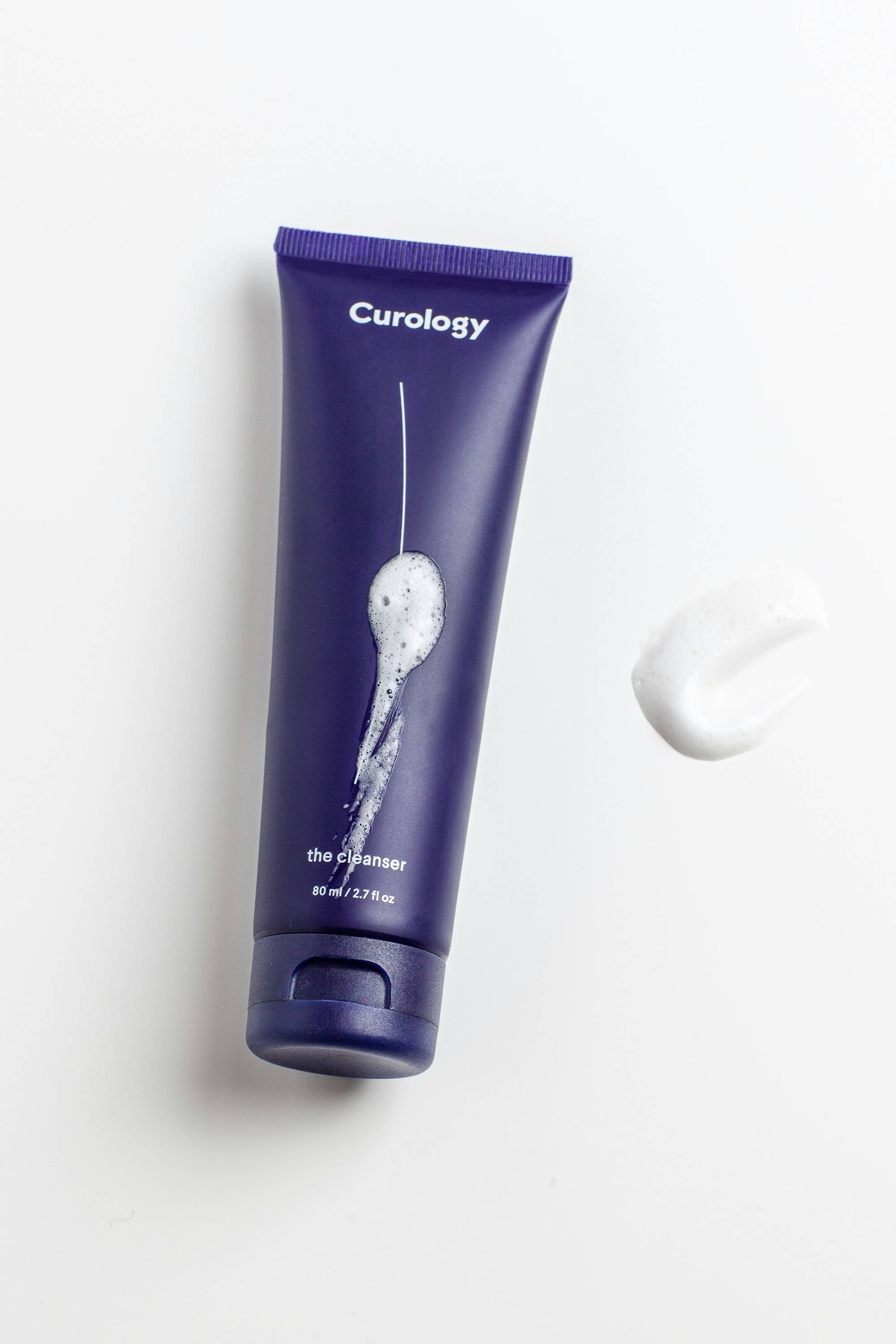
Deodorant and Antiperspirant Packaging Services in North America.
Integrated primary and secondary packaging for deodorant brands — twist-up sticks, paperboard tubes, refill cartridges, creams, and the cartons that carry them.
Book a Discovery Call →
Two regulatory categories, one shelf, and a container that has to survive a bathroom.
Deodorant has been the most active indie launch category in personal care for five years running, and it hides more packaging complexity than almost anything its size. Deodorant is a cosmetic. Antiperspirant is an over-the-counter drug, which requires a Drug Facts panel, an active ingredient statement, and a different carton and label architecture. Brands that launch a deodorant and later add an antiperspirant frequently discover this halfway through artwork.
The second complication is material. The category's move toward paperboard push-up tubes, refill cartridges, and plastic-free formats is a genuine structural engineering problem, not a component swap. Natural formulas with baking soda or magnesium hydroxide are abrasive and alkaline, oils migrate into uncoated paperboard, and a refill mechanism has to survive being twisted a hundred times in a humid room. We specify for those conditions rather than around them.
Stick, tube, cream, spray, and refill, specified against the formula.
Deodorant formats have moved well past the twist-up stick, and each new format brings its own compatibility and durability questions. We source the containers and produce the cartons, labels, and shippers around them as one integrated system.
- Twist-up stick containers in PP, PCR, and refillable architectures
- Paperboard push-up tubes with barrier liners for plastic-free formats
- Refill cartridges and reusable outer cases
- Jars and tins for balm and cream deodorant formats
- Tubes with applicators for cream and paste formats
- Roll-ons and fine-mist sprayers
- Decoration: silk-screen, in-mould labels, shrink sleeve, direct print
- Folding cartons with Drug Facts panel architecture where required
- PCW paperboard (30% to 100% post-consumer) and FSC-certified stock
- Refill program cartons and multi-pack structures
- Pressure-sensitive labels, sleeves, and tamper-evident seals
- Subscription mailers built for refill replenishment
- Protective shippers for multi-pack and starter kits
- Retailer master cases and shelf-ready display trays
"A paperboard deodorant tube is not a plastic tube made of paper. Formula compatibility, barrier, and twist durability all have to be solved again."
Who we build deodorant packaging for.
Our deodorant clients are mostly clean-positioned and DTC-first, moving into national retail within a year or two of launch. What they share is a material ambition that outruns what most component suppliers can actually deliver.
The deodorant packaging problems that break launches.
The Packaging Playbook, mapped to a deodorant launch.
Every project moves through six stages. For deodorant, the stage-specific watchpoints are regulatory classification, formula-to-container compatibility, refill mechanism durability, and paperboard barrier performance.
 Discovery Formats, formula chemistry, OTC classification
 Design Container matching, refill and barrier engineering
 Source Vetted stick, tube, and carton supplier network
 Quality Compatibility testing, twist-cycle validation, ISTA
 Production Coordinated container and carton runs
 Delivery Filler, 3PL, or subscription fulfilment
Why we're building for deodorant.
North American deodorant is roughly $8.85 billion and forecast to grow toward $16 billion over the next decade, with the natural and clean sub-segment growing faster than the category overall. It has been the most active indie launch category in personal care for five years. What the category lacks is a supplier who can handle the container, the refill engineering, the regulatory split between cosmetic and over-the-counter, and the carton system in one conversation.
Knockout sources the stick containers, paperboard tubes, refill cartridges, jars, and sprayers, and produces the cartons, labels, multi-packs, and shippers alongside them. Formula compatibility and mechanical durability are validated during Quality rather than after fill. One accountable partner across a category where the packaging is frequently the reason the customer bought.
Deodorant packaging questions we get asked
What's the difference between deodorant and antiperspirant packaging requirements?
Deodorant is regulated as a cosmetic. Antiperspirant contains an active ingredient and is regulated as an over-the-counter drug, which requires a Drug Facts panel, an active ingredients statement, and monograph-compliant labelling. That changes the carton and label architecture, so we establish the classification during Discovery.
Can you supply paperboard and plastic-free deodorant tubes?
Yes. Paperboard push-up tubes need barrier liner selection and coating chosen against your formula, because oils migrate into uncoated board and compromise both structure and print. We sample-test with your actual formula before committing to a run.
Do you build refillable deodorant systems?
Yes. Refill cartridges, reusable outer cases, and the secondary packaging that explains the system at shelf. We validate the full refill cycle for mechanical durability before tooling, since tolerances that pass on the first cartridge often fail after several reloads.
How do you handle formula compatibility for natural deodorants?
Baking soda is abrasive, magnesium hydroxide is alkaline, and certain botanical carriers cause stress cracking in the wrong resin. We match container material and closure to the formula chemistry during Design and run compatibility checks before production.
What's the minimum order quantity for deodorant packaging?
Depends on the component. Stock stick containers with custom decoration and cartons typically start around 10,000 units. Custom folding cartons start at 2,500 to 5,000. Custom-tooled containers and refill mechanisms start higher, usually 25,000 or more. Discovery sets realistic minimums.
Can you produce multi-packs and subscription refill shipments?
Yes. We engineer multi-pack carton structures, refill cartons, and mailers against your actual shipping and retail profiles so refill economics work rather than eroding margin one shipment at a time.
Can you meet Target, Ulta, and Credo deodorant packaging standards?
Yes. We track shelf-ready case requirements, barcode placement, master case specifications, and retailer material and sustainability standards, and we build them into the design rather than correcting after production.
Launching a deodorant, adding an antiperspirant, or moving a line to refill?
Tell us what you're building. We'll tell you what's realistic on timeline, on MOQ, on components, on compatibility. Discovery is free and it's where the real scope gets set.
Book a Discovery Call →