
Refillable packaging isn’t a future concept – it’s a fast-growing strategy for brands looking to reduce waste without compromising usability or shelf presence. From beauty to home care, reuse is going mainstream. But success depends on getting the system – and the design – right.
1. The Shift to Circular Packaging Consumers are adopting reuse habits in growing numbers. Trivium Packaging’s Buying Green research found 71% of consumers worldwide report reuse and recycling habits such as using refillable bottles and containers, and Smithers projects the reusable and refillable packaging market will reach about $53 billion by 2027. Retailers and regulators are responding too – adding refill options and raising expectations around packaging circularity.
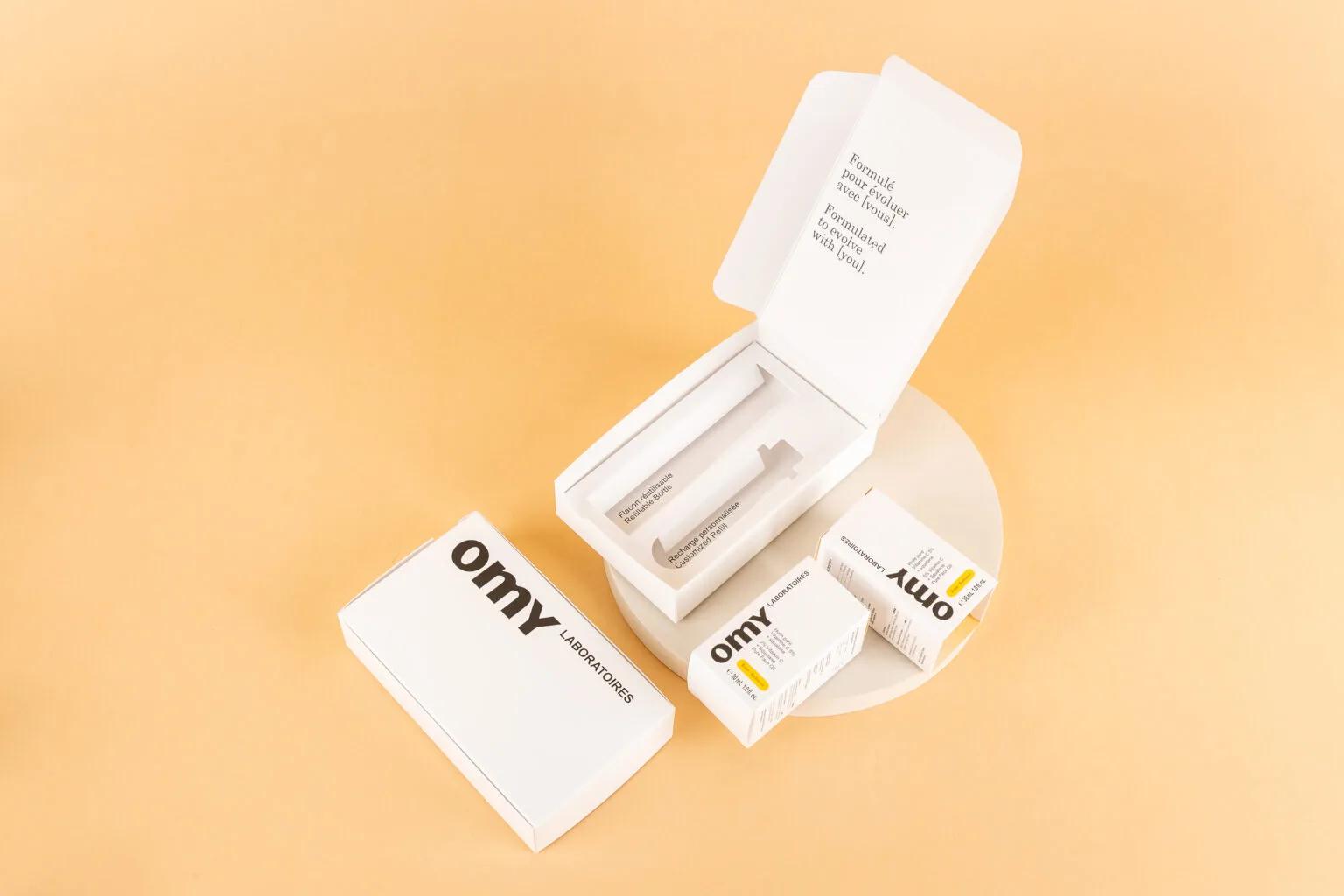
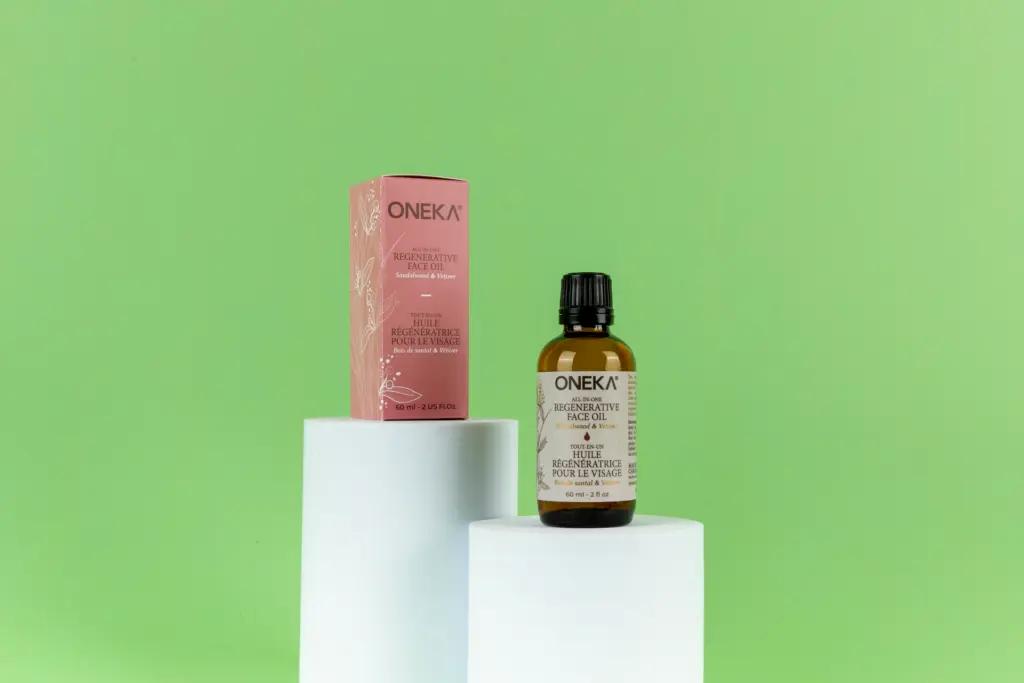
2. What Refillable Looks Like in Practice Refill systems vary widely: lightweight refill pouches paired with premium reusable containers; concentrate tablets that dissolve in water; subscription-based models with home return packaging. The design challenge is the same – build packaging that is intuitive, durable, and fits your brand experience.
3. Getting It Right: Design and Operational Hurdles Refillable packaging isn’t just about switching materials. It’s about building a reusable system – from sourcing and filling to returns and replenishment. That includes testing for leaks and shelf durability, rethinking your packaging line setup, and making sure the end-user experience is simple and rewarding.
4. Where Packaging Partners Come In Implementing a reuse model requires coordination. A strong packaging partner brings technical design support, sourcing for both primary and refill formats, and production capabilities that match your scale. They’ll also help you meet regulatory standards, avoid excess complexity, and keep the system viable as you grow.
5. Knockout Insight: At Knockout Packaging, we help brands implement refillable systems that work— whether that means a retail refill pouch, a premium jar-and-insert combo, or a custom kit for subscription delivery. From testing to fulfillment, we focus on making reuse realistic, scalable, and brand-ready.
Cut Weeks from Your Packaging Timeline
Frequently asked questions
What types of refillable packaging systems are there?
Refill systems vary widely. Common examples include lightweight refill pouches paired with premium reusable containers, concentrate tablets that dissolve in water, and subscription models with home return packaging. Whatever the format, the design challenge is the same: packaging that is intuitive, durable and fits your brand experience.
What makes refillable packaging hard to implement?
Refillable packaging is a system, not just a material switch. It covers sourcing, filling, returns and replenishment. Brands need to test for leaks and shelf durability, rethink their packaging line setup, and make sure the end-user experience is simple and rewarding, all while avoiding excess complexity as the program grows.
How can a packaging partner help with a refill program?
A packaging partner coordinates the reuse model. That includes technical design support, sourcing for both primary and refill formats, and production capabilities that match your scale. A partner can also help you meet regulatory standards and keep the system viable as you grow, whether you need a retail refill pouch, a jar-and-insert combo or a subscription kit.
Sources
- Trivium Buying Green, Sustainable Plastics (Trivium Packaging Buying Green report)
- Reusable and refillable packaging sales to reach $53.4 billion by 2027, says Smithers, Plastics News (Smithers)