

The packaging that holds and touches the product: the bottle, jar, tube, pump, dropper or closure. It has to suit the formula, the filling line and the shelf.
Primary packaging →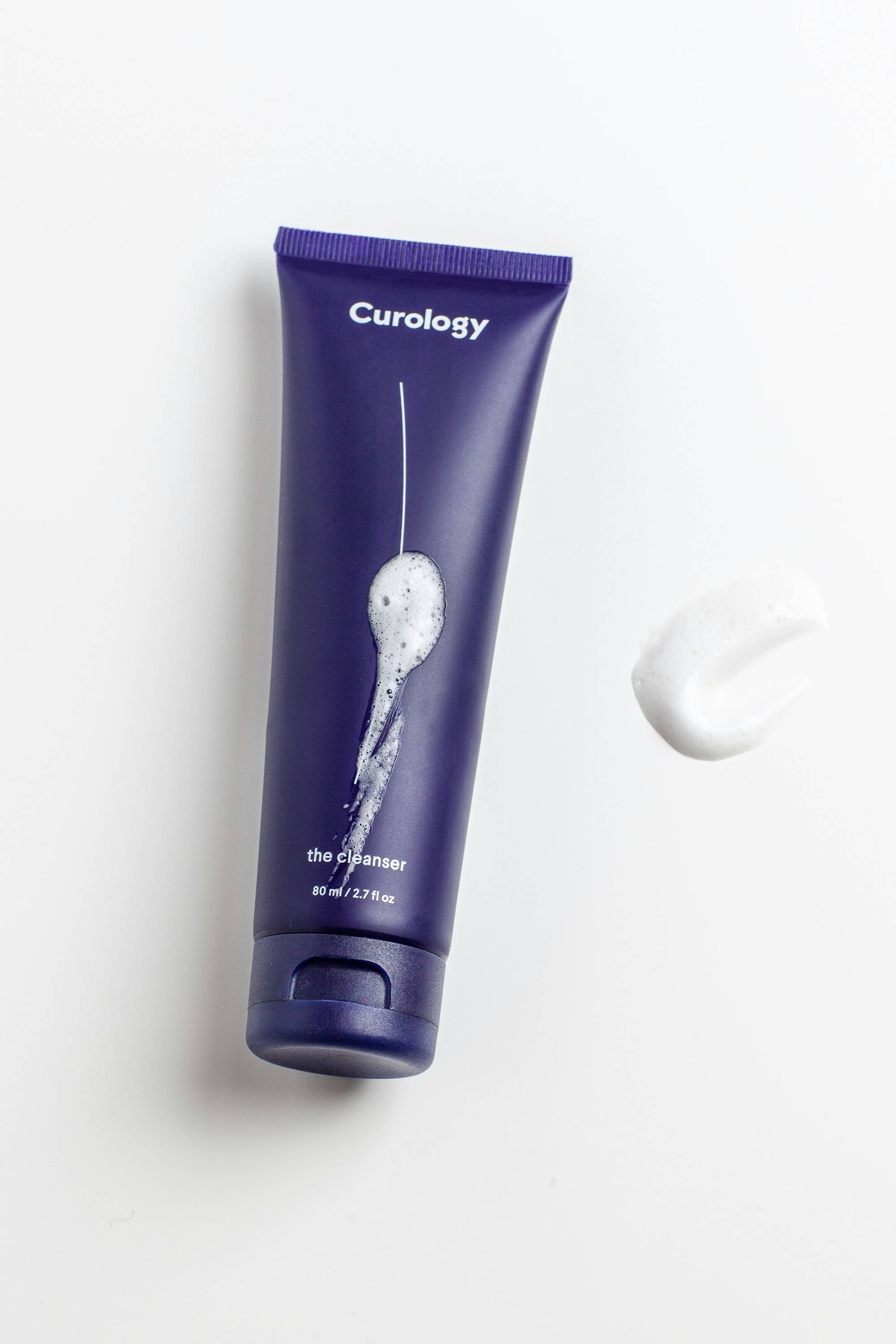
Packaging glossary. The packaging terms, defined.
34 terms you will meet in a packaging brief, a quote or a retailer requirement, each in plain language with a link to where we cover it in depth.
A
- Airless pump
-
A dispenser that pushes product up with a piston or collapsing pouch instead of drawing air back into the container. It protects oxygen- and light-sensitive formulas such as vitamin C serums and retinoids, and lets the user dispense almost all of the product.
Primary packaging → - Auto-lock bottom
-
A folding carton structure with a pre-glued base that locks into place when the carton is opened. It suits heavier products and speeds up packing on the line compared with tuck-end bottoms.
Folding carton styles →
C
- Chain of custody
-
The certified record that tracks a material, such as FSC paperboard, through every company that handles it, from forest to finished pack. A brand can only use the FSC logo when its supplier holds an active chain-of-custody certificate.
Sustainable packaging → - COEX tube(Co-extruded tube)
-
A plastic tube made from several layers extruded together, typically with a barrier layer such as EVOH between them. The barrier protects formulas that are sensitive to oxygen or that contain fragrance and actives that could migrate through a single-layer tube.
Tubes and materials → - Critical path
-
The sequence of dependent steps in a packaging project that sets the earliest possible launch date. A delay on any step on the critical path moves the launch; delays elsewhere do not, which is why planning backwards from the launch date starts by finding it.
Packaging timeline playbook →
D
- Delta-E(ΔE)
-
A number that measures the visible difference between two colours, used to judge whether print matches a Pantone target. Knockout targets a delta-E of 2.0 or better, which is generally imperceptible to the eye. The same colour code prints differently on different boards, so it is approved on the real substrate.
Print and colour on cartons → - Dieline
-
The flat template of a carton or label that shows every cut, fold, glue area and bleed. Artwork is built on the dieline, so it should be final, and tested against the primary pack, before design starts.
What a packaging spec includes → - Dual sourcing
-
Qualifying more than one supplier for a packaging component, so one supplier’s delay, price rise or quality problem cannot stall a launch. It does not mean splitting every order; it means having an identified, contacted alternative for the components where a single point of failure would cost most.
Dual sourcing by default →
E
- EPR(Extended producer responsibility)
-
Laws that make the companies supplying packaging pay for some or all of the cost of collecting, sorting and recycling it at end of life. Rules and the definition of producer differ by state and province, so brands check each jurisdiction they sell into.
EPR regulations for packaging → - EuPIA
-
The European Printing Ink Association, which publishes a voluntary charter on raw material selection and exclusion for printing inks. Ink makers outside Europe can adhere to it, and retailer programmes such as Sephora Planet Aware ask for inks from a supplier committed to EuPIA requirements.
Packaging ink documentation →
F
- First-article inspection
-
A check of the first units off the production line against the full specification and the golden sample, before the run is allowed to continue. It is the cheapest quality gate, because a correction costs minutes of line time rather than a full run.
Packaging QC as a system → - FSC(Forest Stewardship Council)
-
A certification confirming that paper and paperboard come from responsibly managed forests, verified through chain of custody. Labels appear as FSC 100%, FSC Mix or FSC Recycled, and certified boards run at the same minimums as standard stock.
Sustainable packaging →
G
- Gang printing
-
Printing several SKUs or designs on the same press sheet so they share one setup. It cuts the cost of short runs and multi-SKU ranges, especially when cartons are standardised into a few common sizes.
Aspen: 14 SKUs in four carton sizes → - Golden sample
-
The physical unit that passed every test and is locked as the reference for production. Matched copies are kept by the supplier and the brand’s QC team, and every inspection compares production to it rather than to a proof or PDF.
Packaging QC as a system →
H
- How2Recycle
-
A standardised on-pack label in North America that tells consumers how to recycle a pack: Widely Recyclable, Check Locally, Store Drop-Off or Not Yet Recyclable. A brand needs an active Sustainable Packaging Coalition membership to use it.
Claims that hold up → - Hybrid sourcing
-
Assigning each packaging component to the supply lane that suits it, typically offshore for stable, high-volume parts and nearshore or domestic for parts that change often or protect a launch date, with one owner coordinating lead times so everything arrives together.
Hybrid packaging sourcing →
I
- ISTA testing
-
Transit test procedures from the International Safe Transit Association that simulate the drops, vibration and compression a pack meets in distribution. Many retailers require them, and they should match the real distribution method before launch.
Damage prevention by design →
L
- Lead time
-
The time from a confirmed order, usually artwork sign-off, to components delivered. Knockout’s domestic production typically runs 3 to 4 weeks; overseas adds 4 to 8 weeks plus ocean freight, and new tooling 12 to 20 weeks in total. Most delay sits upstream, in specs and approvals.
How to cut packaging lead times →
M
- MoCRA(Modernization of Cosmetics Regulation Act)
-
The 2022 US law that expanded FDA authority over cosmetics, adding facility registration, product listing, serious adverse event reporting and safety substantiation duties for the responsible person named on the label.
MoCRA compliance → - Mono-material
-
Packaging made from a single material family, such as all-polypropylene, so it can be recycled as one stream. Pumps, springs and closures are the usual obstacle, so mono-material has to be specified at the start rather than after tooling.
PCR, mono-material and refill → - MOQ(Minimum order quantity)
-
The smallest run a supplier will produce, set by press and tooling setup costs. Knockout’s minimum is 5,000 units for cartons and stock primary components and 2,500 for kits, higher for some primary formats. SKUs that share a component can be combined to lower the per-SKU minimum.
MOQ questions →
N
- Nearshoring
-
Moving production closer to where goods are sold, typically from overseas to North America. It removes weeks of ocean transit and port time, which matters most for short runs, revisions and replenishment, though unit cost and minimums can be higher.
Where nearshoring fits →
P
- Packaging specification(Spec)
-
The written document that states what a pack must be, how it is made and how it is checked: materials, tolerances, fill, closure, decoration, case and pallet, barcodes and retailer requirements. Unlike a design file, it leaves the supplier nothing to interpret.
Spec clarity template → - Pantone (PMS)
-
The Pantone Matching System, a standard library of numbered spot colours used to specify brand colours precisely. Spot colours are mixed to the target and printed as their own ink, rather than built from CMYK, for consistent colour across runs.
Print and colour on cartons → - PCR(Post-consumer recycled content)
-
Material reclaimed from products consumers have used and discarded, then reprocessed. PCR plastic (PET, HDPE, PP) is available at 25% to 100% content in existing formats; higher percentages can tint clear bottles, so samples are approved before committing.
PCR, mono-material and refill → - PCW(Post-consumer waste)
-
The paperboard term for recycled fibre recovered from used paper and packaging. Carton stocks range from partial PCW content, commonly 10% to 30%, up to 100% recycled pulp.
Sustainable packaging → - Planet Aware
-
Sephora’s sustainability programme, which assesses products partly on packaging: less waste, recycled or certified materials and cleaner inks. Criteria depend on launch date, so brands check the current version and keep supplier evidence on file.
What Planet Aware asks of packaging → - Primary packaging
R
- Refillable packaging
-
A system with a durable outer pack the customer keeps and a lighter refill, such as a pouch or cartridge, that replaces the product. It gives the strongest reduction story, but only works if customers actually buy the refill, and each part has its own minimum.
Refillable packaging guide → - Retail readiness
-
Meeting every requirement a retailer’s distribution centre enforces before product reaches the shelf: GS1 barcodes, case counts, pallet patterns, compliant labels and, where required, transit testing. Each is a condition of acceptance with its own lead time.
Retail readiness checklist →
S
- SBS(Solid bleached sulfate)
-
A premium virgin-fibre paperboard with a bright white surface that prints cleanly and holds fine detail. It is the default board for premium beauty and supplement cartons, typically at 16pt to 24pt.
Paperboard for cartons → - Secondary packaging
-
The packaging around the primary pack that presents, protects and ships it: folding cartons, rigid boxes, inserts, shippers, mailers and labels.
Secondary packaging → - Soft-touch coating
-
A coating that gives cartons a velvety, matte feel. It holds up in shipping and, in aqueous form, stays compatible with recycling, which makes it one of the most recommended premium finishes for sustainability-led briefs.
Carton finishes →
T
- Tooling
-
The molds, dies, plates and stamping tools made for a custom component or finish. It is quoted as a one-time cost separate from unit price and owned by the brand; custom molds add weeks of build and qualification before the first sample exists.
Bringing a new format to market →
Still decoding a quote?
Send it over. We will explain what each line means, what is missing and what it does to your timeline, before you commit.
Book a discovery call →