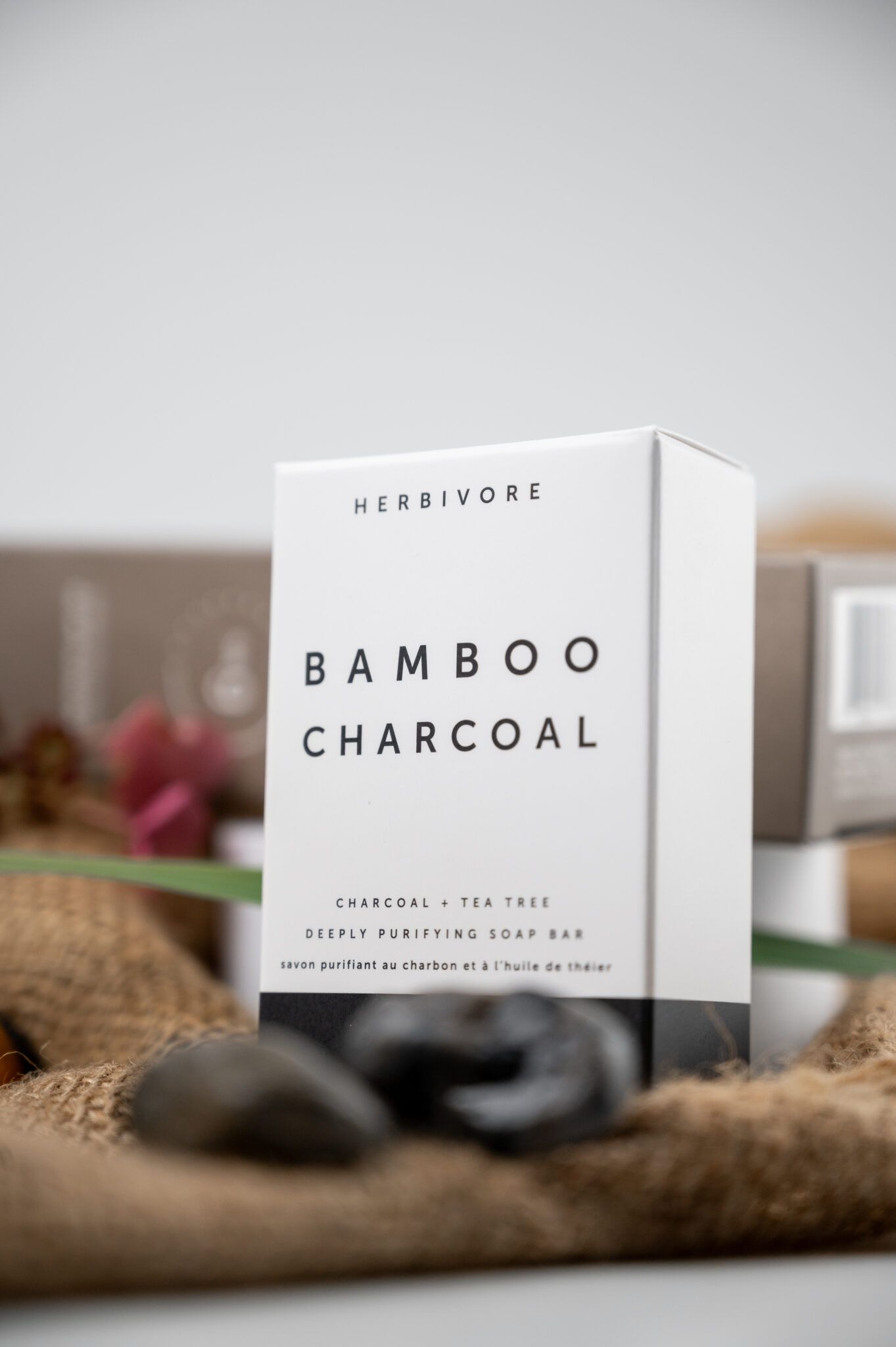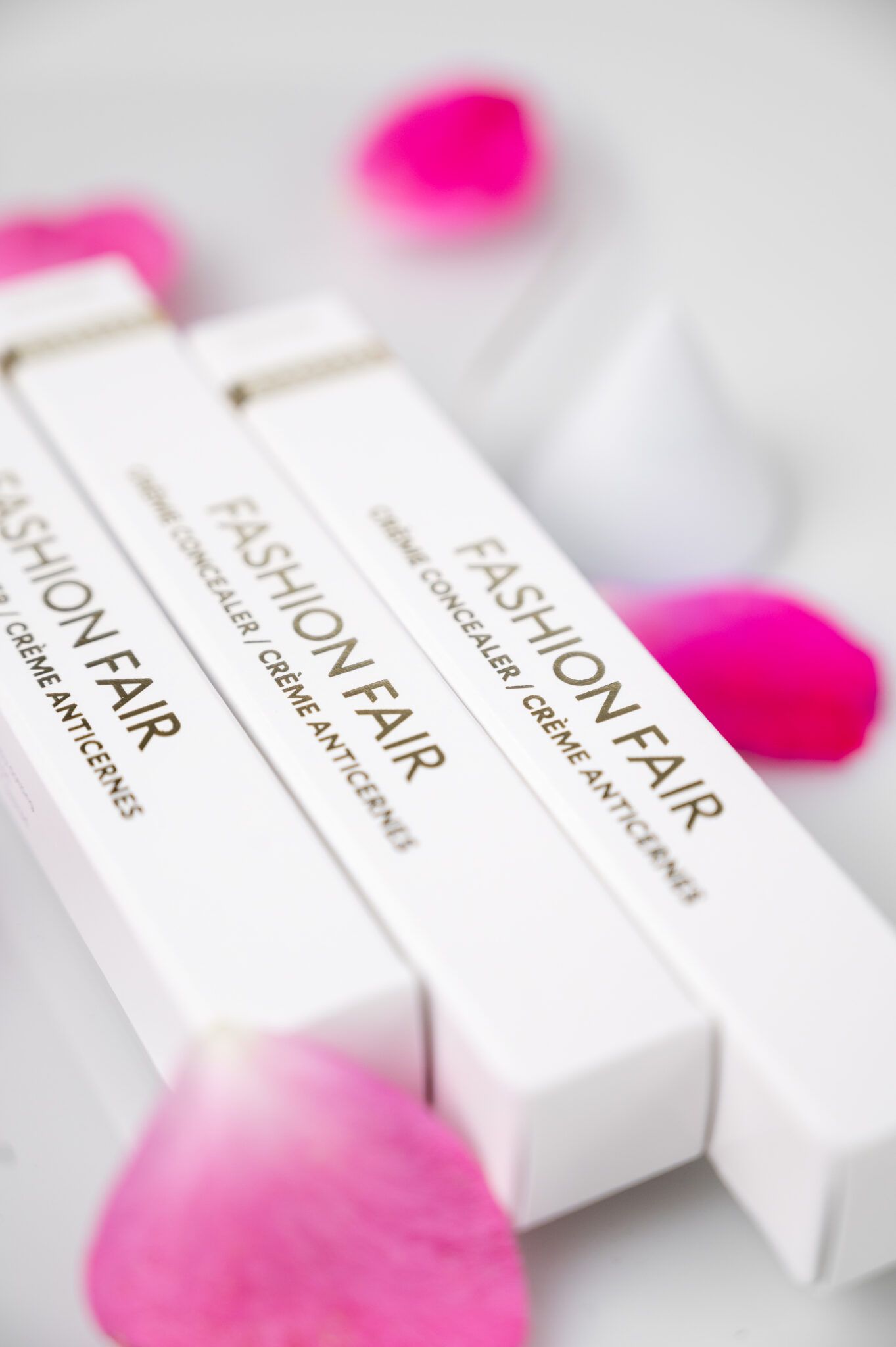

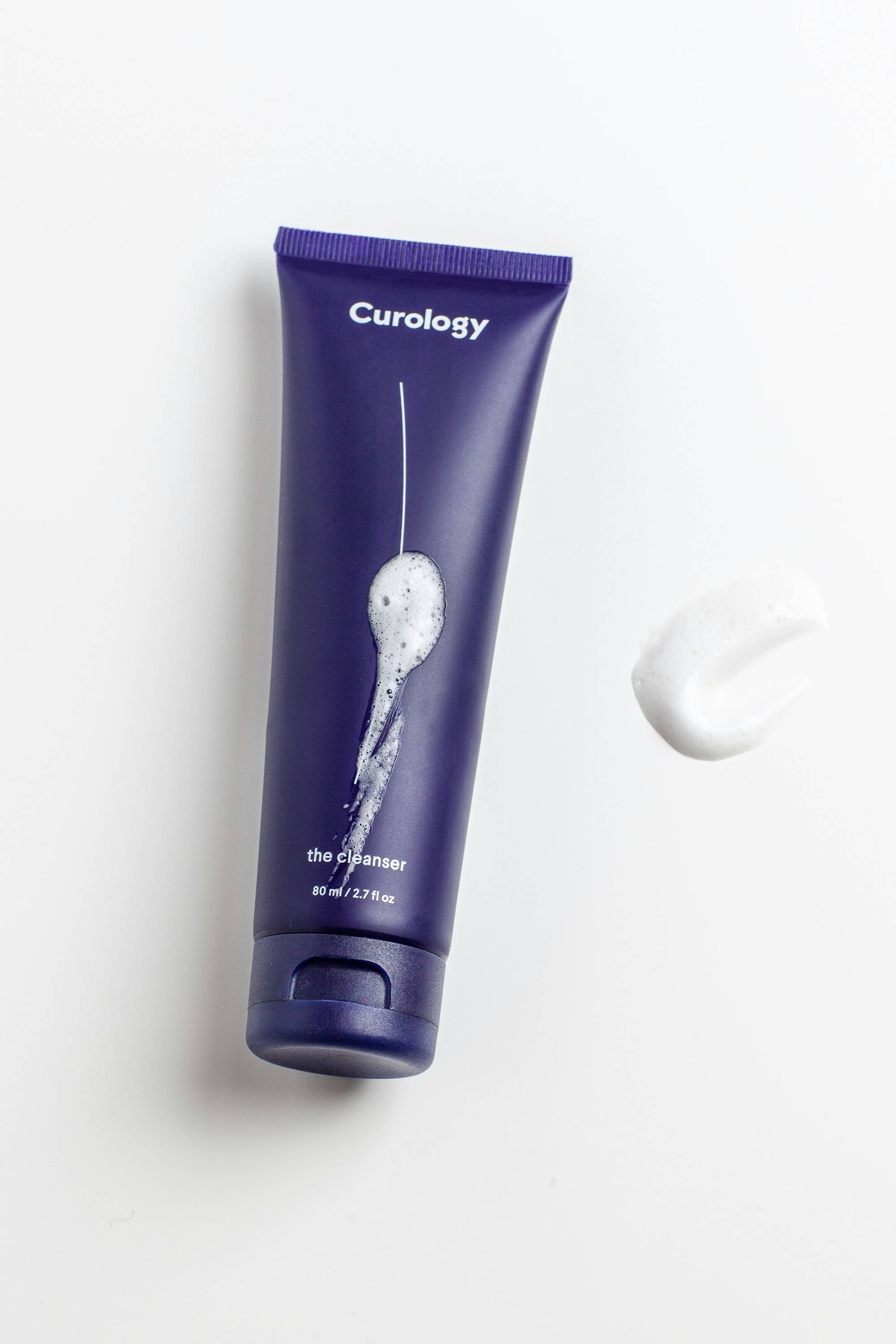
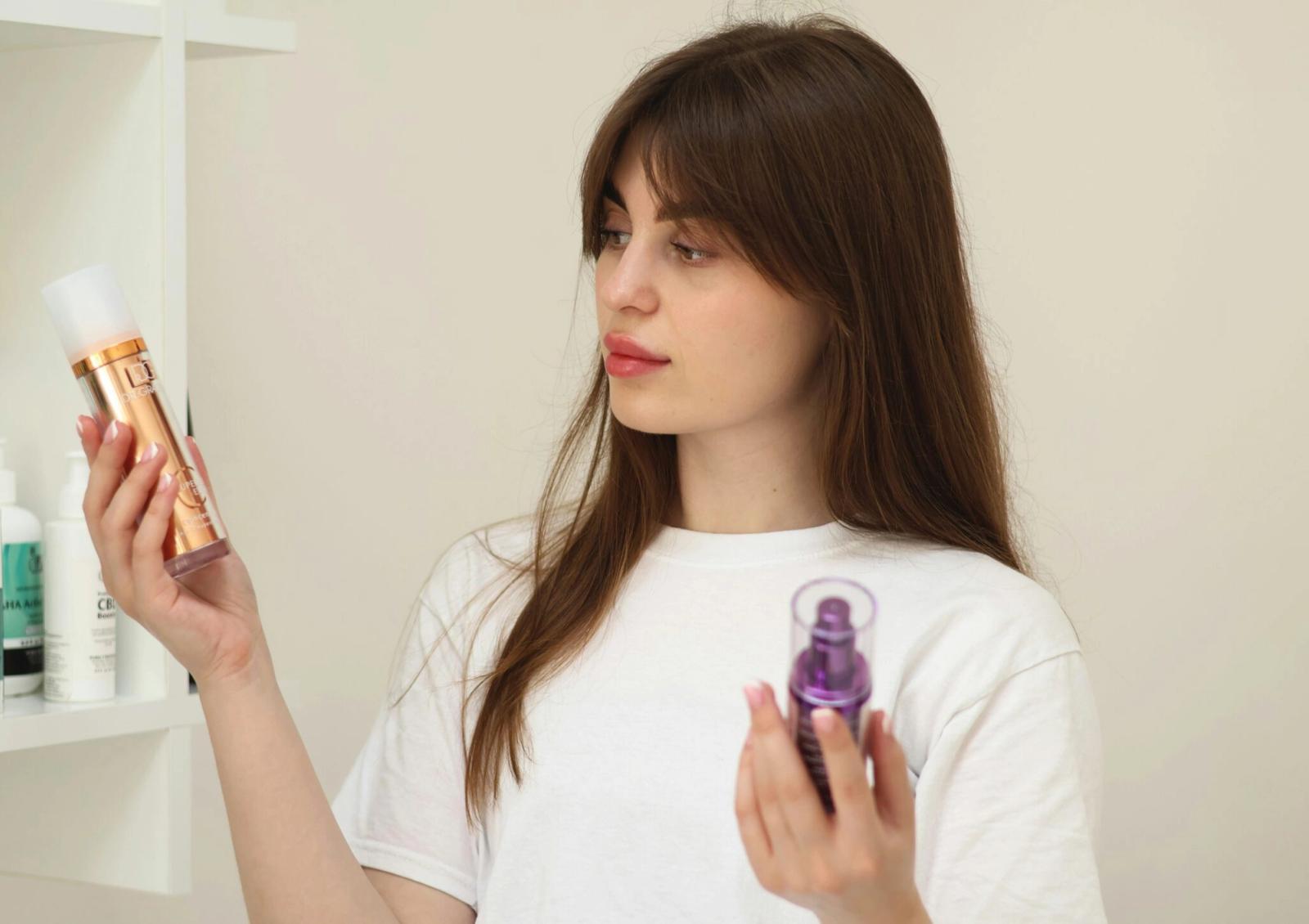
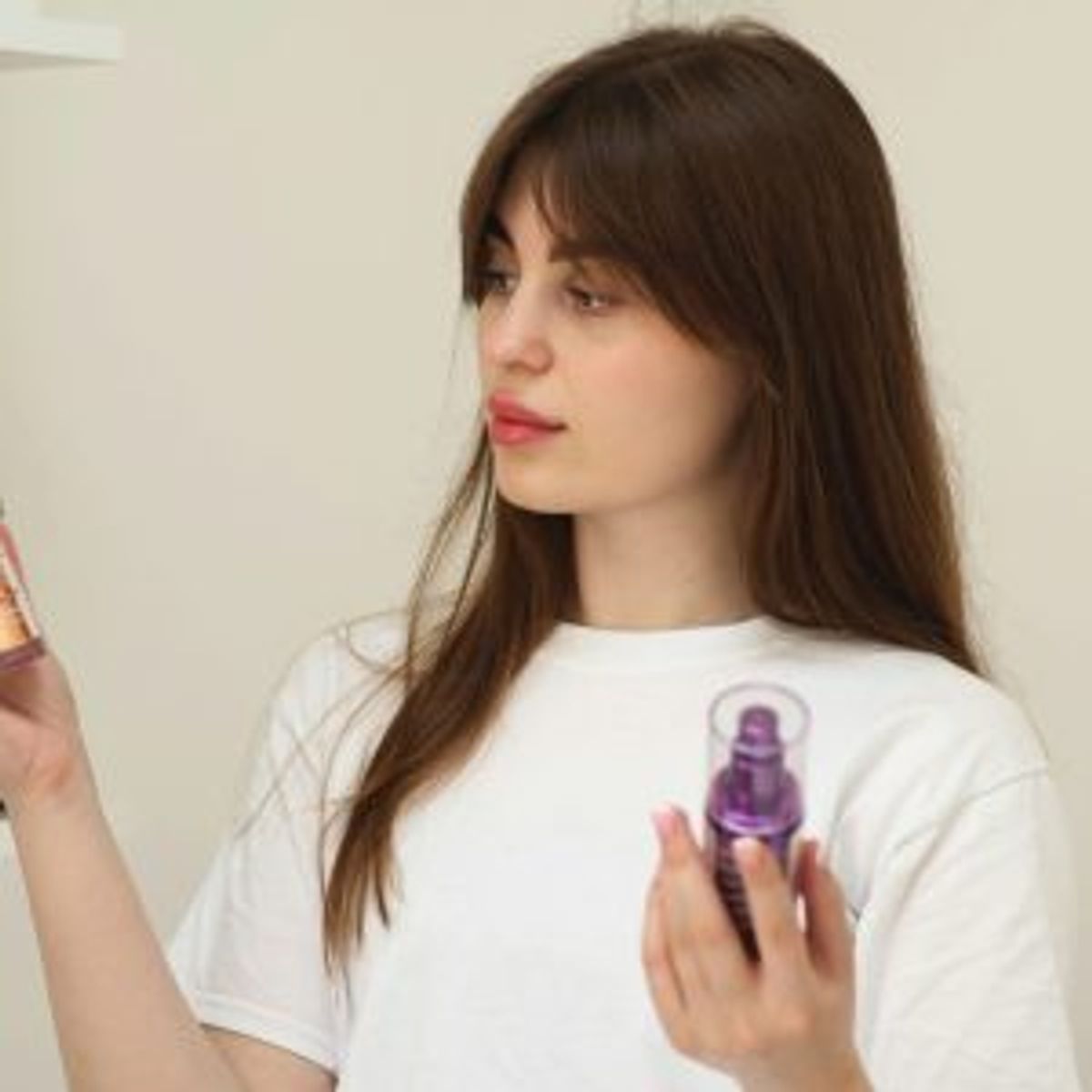
In an increasingly eco-conscious world, trust is everything, especially when it comes to personal care products. New research from NielsenIQ confirms what many in the industry have suspected: consumers are paying close attention to what’s on the label, and it’s influencing their buying decisions in powerful ways.
The data, pulled from NielsenIQ’s 2024 Green Gauge NIQ Consumer Life study, found that over 69% of consumers trust the claims printed on product packaging and in advertisements. This level of trust places a critical responsibility on brands to be factual and transparent in their messaging. For personal care products, labels are considered the most reliable source of environmental information, followed by online reviews and word-of-mouth from friends and family.
This shift underscores a key trend: consumers want to make informed choices, and they’re using the type of packaging and the information contained on it as a primary differentiating factor at the point of purchase.
However, the terms brands use to demonstrate their environmental factors are also important. Included within the top five claims that drive purchasing decisions are, “recyclable packaging” and “environmentally friendly production processes.” According to their research, these phrases resonate more than traditional green buzzwords such as “Biodegradable” and “Plastic Free” which are losing traction, perhaps due to consumer skepticism or confusion around what these terms truly mean in practice.
The Takeaway for Brands
For brands in the personal care space, transparency is not optional but expected. Factual, clearly explained environmental claims on your labels and packaging are not just good ethics, they’re good business. Consumers are doing their homework, and the label on your product is often their first and most trusted point of reference.
Now more than ever, brands must shift away from vague promises to verifiable impact. Backing up claims with certifications, using straightforward language, and prioritizing sustainable packaging can make the difference between success and being left behind.
Frequently asked questions
Do consumers trust the claims on personal care packaging?
Yes. NielsenIQ's 2024 Green Gauge NIQ Consumer Life study found that over 69% of consumers trust the claims printed on product packaging and in advertisements. That level of trust places a critical responsibility on brands to keep their labelling factual and transparent.
Where do shoppers look for environmental information on personal care products?
For personal care products, shoppers consider the label the most reliable source of environmental information, according to NielsenIQ. Online reviews come next, followed by word of mouth from friends and family. Consumers use the packaging and the information on it as a primary differentiator at the point of purchase.
Which sustainability claims influence beauty and personal care purchases?
Recyclable packaging and environmentally friendly production processes are among the top five claims that drive purchasing decisions, according to NielsenIQ research cited in the post. Older green buzzwords such as biodegradable and plastic free are losing traction, possibly because of consumer scepticism or confusion over what those terms mean in practice.
How should personal care brands write environmental claims on labels?
Personal care brands should move from vague promises to verifiable impact. Keep environmental claims factual and clearly explained, back them up with certifications, use straightforward language and prioritise sustainable packaging. Consumers do their homework, and the label is often their first and most trusted point of reference.
Sources
- Green Gauge Consumer Study, NielsenIQ