

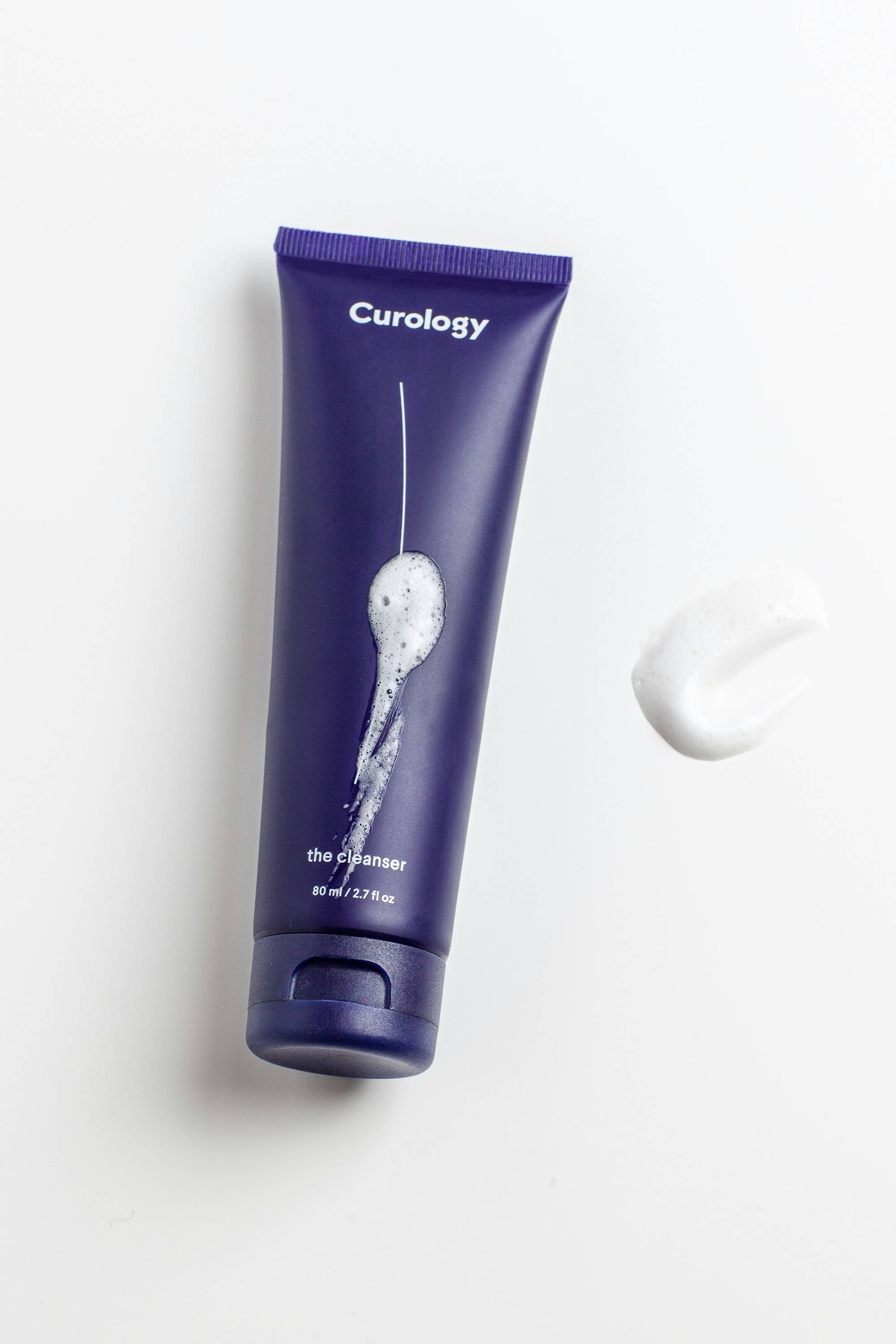
Baby Care Packaging Services in North America.
Integrated primary and secondary packaging for baby care brands — washes, lotions, balms, and diaper creams built to clean-beauty standards.
Book a Discovery Call →
The person buying baby care is the same person buying clean beauty.
Indie clean baby has grown up alongside indie clean beauty, and the two now share a customer, a retail set, and a standard. A parent scanning a baby wash bottle is applying the same ingredient scrutiny, the same sustainability expectation, and the same design literacy they apply to their own skincare. Packaging that reads as generic pharmacy loses before the ingredient panel is read.
Underneath the aesthetic sit two things that make baby care structurally harder than it looks. Gifting is an unusually large share of category volume, which means rigid boxes and engineered sets are core rather than seasonal. And diaper rash cream is not a cosmetic. It falls under the FDA Skin Protectant over-the-counter monograph, which requires a Drug Facts panel and an NDC number and changes the carton and label architecture entirely. Brands regularly discover that after artwork is approved.
Gentle formats, gift-ready sets, and compliant panels.
A baby line usually spans wash, lotion, balm, oil, and a diaper cream that sits in a different regulatory category from everything beside it. We source the components and produce the cartons, sets, and shippers as one system so the line holds together on shelf and under review.
- PCR and HDPE bottles with foamer pumps for baby wash and shampoo
- Tubes and tottles for lotions, balms, and diaper creams
- Airless pumps for preservative-sensitive and minimal formulas
- Glass and PET jars for balms, ointments, and multipurpose creams
- Droppers and small-format bottles for baby oils and serums
- Pumps, flip-tops, and disc caps sized for one-handed use
- Decoration: silk-screen, shrink sleeve, pressure-sensitive labels
- Folding cartons with Drug Facts panel architecture where required
- PCW paperboard (30% to 100% post-consumer) and FSC-certified stock
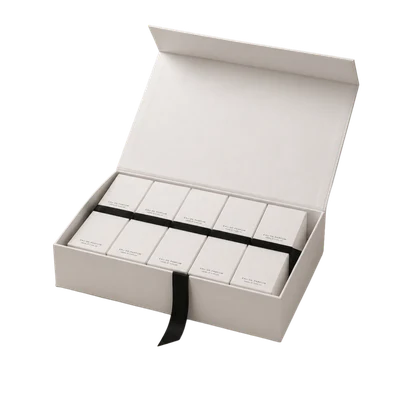
- Rigid boxes and engineered inserts for gift and registry sets
- Printed labels, sleeves, and tamper-evident seals
- Multi-pack and starter-set carton structures
- Protective shippers for DTC and registry fulfilment
- Retailer master cases and shelf-ready display trays
"Parents read the panel, the material, and the certification. Baby packaging gets audited by the customer before it gets audited by the retailer."
Who we build baby care packaging for.
Our baby care clients are typically clean-positioned, founder-led, and selling into a retail set that overlaps heavily with prestige and natural beauty. The requirements are familiar to us. The regulatory and gifting overlay is what changes.
The baby care packaging problems that surface late and cost the most.
The Packaging Playbook, mapped to a baby care launch.
Every project moves through six stages. For baby care, the stage-specific watchpoints are over-the-counter monograph classification, gift-set engineering, material documentation, and multi-channel retail compliance.
 Discovery Formats, OTC classification, channel plan
 Design Panel architecture, set and insert engineering
 Source Vetted beauty-grade component network
 Quality Closure usability, drop testing, ISTA validation
 Production Coordinated multi-SKU runs, one timeline
 Delivery Filler, 3PL, or registry fulfilment
Why we're building for baby care.
North America holds roughly a third of the global baby toiletries market, and the United States baby care market is forecast to grow from about $33.6 billion to over $50 billion in the next decade. The indie clean-baby cohort driving that growth is operationally identical to the indie clean-beauty brands we already serve: same retailers, same minimum order economics, same supplier network. The one genuine difference is the over-the-counter monograph overlay on topical treatments.
Knockout applies the same integrated primary and secondary model we run for skincare to baby care, with the regulated-product fluency we built in suncare. Bottles, tubes, jars, and pumps sourced against your formula, cartons and gift sets engineered around them, and Drug Facts architecture handled at design stage rather than as a late correction.
Baby Care packaging questions we get asked
Do you handle diaper rash cream packaging and Drug Facts requirements?
Yes. Diaper rash creams fall under the FDA Skin Protectant over-the-counter monograph, which requires a Drug Facts panel and an NDC number. We build that architecture into the carton and label at design stage. Your regulatory reviewer owns the content; we make sure the packaging carries it correctly.
Can you produce baby gift sets and registry boxes?
Yes, and gifting is a large share of the work in this category. We engineer rigid boxes and inserts against your actual components, prototype and drop-test the set, and produce the box, insert, and shipper as one coordinated build.
What's the minimum order quantity for baby care packaging?
Depends on the component. Stock bottles and tubes with custom decoration and cartons typically start around 5,000 to 10,000 units. Custom folding cartons start at 2,500 to 5,000. Rigid gift boxes start around 1,000 to 2,500. Custom-tooled primary components start higher.
Can you document materials and certifications for parent-facing claims?
Yes. We provide material specifications, FSC and SFI certification documentation, and supply chain traceability. Where a retailer or your own claims require third-party verification, we supply the documentation rather than a verbal assurance.
Do you supply PCR and post-consumer waste materials for baby packaging?
Yes. We work with 30 to 100 percent post-consumer paperboard and PCR resin components, and we document the actual content rather than approximating it. Sustainability transitions on existing architecture are a large share of what we do.
Can you meet Target, Whole Foods, and clean-beauty retailer requirements?
Yes. We track shelf-ready case requirements, barcode placement, master case specifications, and retailer material and sustainability standards, and we handle them at design stage rather than as a post-production fix.
How fast can you turn a baby care packaging project?
A refresh on existing component architecture with new labels and cartons runs 6 to 10 weeks. A full launch with stock primary and custom secondary typically runs 10 to 14 weeks. Fully custom-tooled primary components run 16 to 20 weeks. Discovery sets the realistic timeline.
Launching a baby line, adding a diaper cream, or building a registry set?
Tell us what you're building. We'll tell you what's realistic on timeline, on MOQ, on components, on compliance. Discovery is free and it's where the real scope gets set.
Book a Discovery Call →