
Distinctive and tooled are not the same decision
A brand wants a pack that does not look like everyone else's. The conversation goes straight to custom tooling.
Then the tooling cost and lead time arrive, the launch date moves, and the project quietly reverts to a stock component with a label on it.
The assumption underneath that sequence is that distinctiveness lives in the shape. Occasionally it does. Far more often it lives in everything applied to the shape, and that part of the decision carries none of the tooling cost or lead time.
Short answer: most of what makes a pack look considered comes from decoration, finish, colour and secondary structure, not from a bespoke mould. Exhaust those four before you price tooling. Custom tooling is the right answer when the format itself is doing the work, and the wrong answer when you are paying six figures and four months for a silhouette nobody will consciously notice.
The four levers, in order of cost
Colour
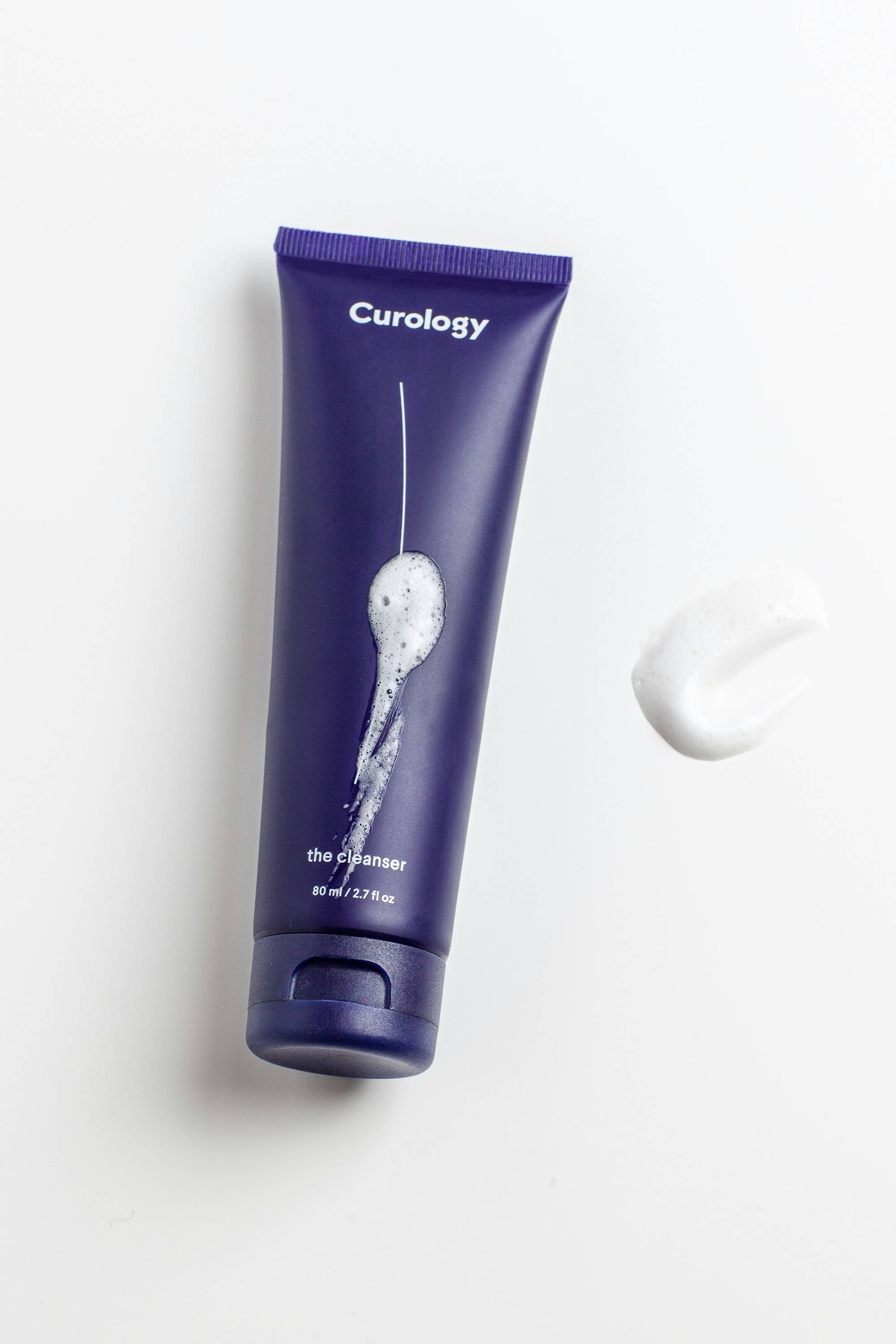
The cheapest meaningful change you can make. A stock bottle in a colour nobody else in your category is using reads as bespoke long before anyone examines the shape.
The constraint is minimum quantity. Custom colour usually means a dedicated run, so it carries a higher minimum than stock white or clear. Worth asking early, because the answer determines whether this lever is available to you at your volume.
Decoration
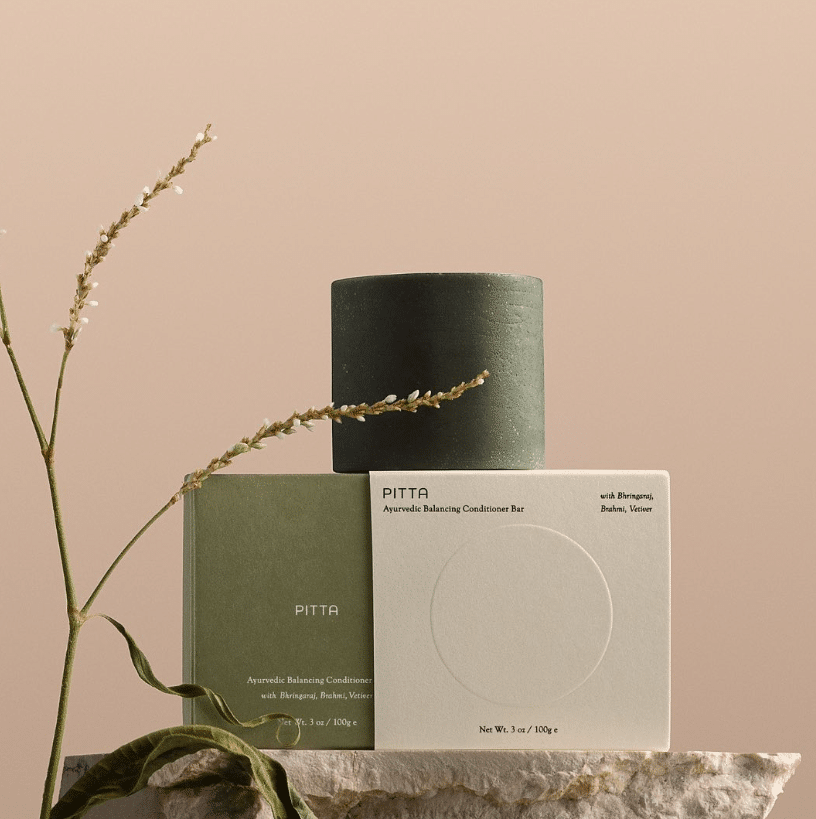
Where most of the perceived value sits. Screen printing, hot foil, embossing and debossing, soft touch coatings, spot gloss over matte. A stock jar with a deboss and a foil accent does not read as a stock jar.
Decoration also carries the widest quality range of anything in packaging. The gap between a well-executed foil and a poorly registered one is the gap between premium and cheap, on an identical component.
Finish and material effect
Frosting, metallisation, tactile coatings, matte versus gloss. These change how a pack feels in the hand, which is the part of the experience customers describe and cannot quite name.
Check the interaction with your decoration early. Some coatings and some print processes do not sit well together, and finding out at press approval is expensive.
Secondary structure
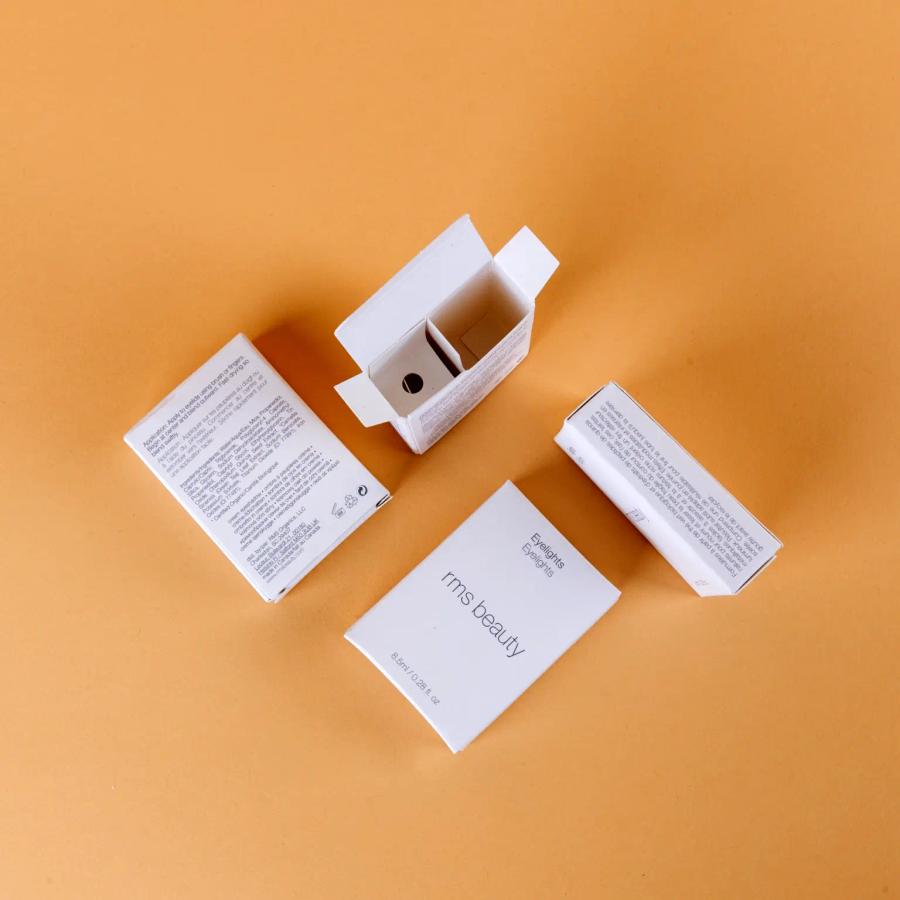
The most underused lever of the four. A stock primary inside a considered carton, with a moulded insert that presents the product rather than merely restraining it, changes the entire experience without touching the bottle.
Cartons and inserts are cut and formed rather than moulded, so the tooling is a die rather than a steel mould. Different order of cost, different order of lead time.
Late-stage differentiation
Hold the pack generic for as long as possible, then differentiate at the last step.
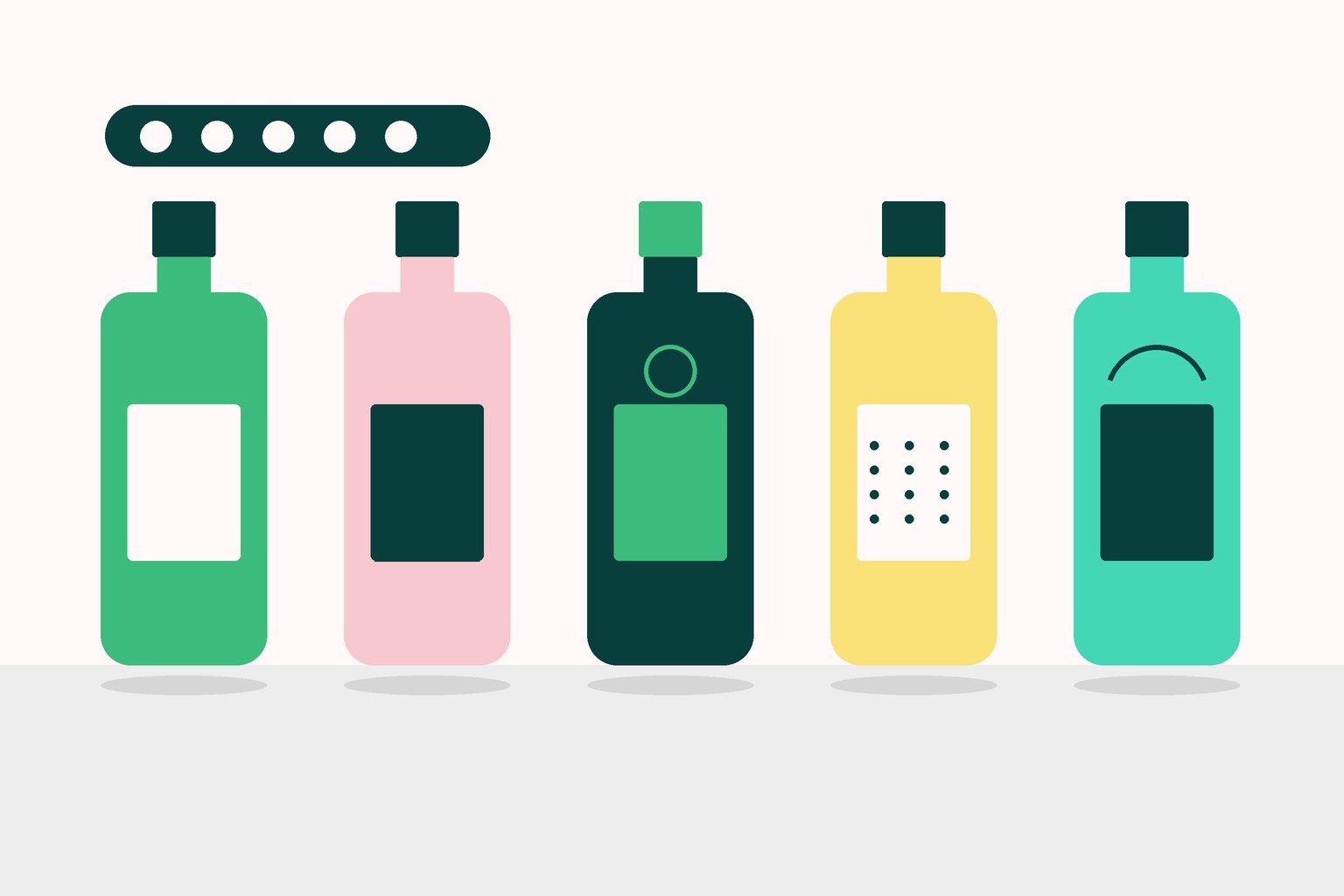
One component, many finished SKUs.
If three of your SKUs share a bottle and differ only in decoration, you buy one component at combined volume rather than three at split volume. Your minimum becomes easier to hit, your unit cost improves, and your inventory risk drops because undifferentiated stock can still become any of the three.
It also shortens your reaction time. A new variant needs a decoration run, not a new component order.
This is the same principle that makes short runs viable, which we cover in digital print and short runs.
What you give up
- Silhouette ownership. A competitor can buy the same stock component. Your decoration is defensible, your shape is not.
- Perfect proportions. You are choosing from what exists, so the ratio of height to diameter is a selection rather than a design.
- Fill efficiency. A stock component sized near your fill volume rather than at it can mean more headspace or a slightly larger pack than you would have drawn.
- A structural story. If your product genuinely requires a dispensing behaviour that does not exist off the shelf, no amount of decoration solves it.
When tooling is genuinely the right answer
Three situations justify it.
- The format does the work. The pack itself is the product story, and no existing component delivers it. A genuinely novel dispensing mechanism, a format that changes how the product is used.
- Volume amortises it. At sufficient scale the tooling cost per unit becomes small and the per-unit saving of a purpose-designed component outweighs it.
- You are protecting a position. A distinctive silhouette a competitor cannot simply order is worth paying for once the brand is established enough to defend it.
What does not justify it is wanting to feel bespoke. That feeling is available from the four levers above at a fraction of the cost and none of the lead time. We go through the full tooling decision in bringing a new format to market.
Frequently asked questions
Can you make stock packaging look custom?
Yes, and it is what most distinctive-looking launches actually do. Colour, decoration, finish and secondary structure carry most of the perceived value in a pack. A stock component with considered decoration and a well-designed carton reads as bespoke to almost every customer.
What is the cheapest way to make packaging look premium?
Decoration, usually. Embossing, foil, and tactile coatings change perceived value more per dollar than any other lever, and they apply to components that already exist. The caveat is execution quality, since poorly registered decoration reads worse than none.
When is custom tooling worth the cost?
When the format itself is the product story and nothing off the shelf delivers it, when your volume is high enough to amortise the tooling across enough units, or when you are protecting an established brand position with a silhouette competitors cannot simply order.
What is late-stage differentiation in packaging?
Keeping components undifferentiated for as long as possible and applying what makes each SKU distinct at the final step. It lets you buy one component at combined volume rather than several at split volume, improves your unit cost, and reduces the risk of holding stock you cannot repurpose.
Pricing tooling you may not need?
Exhaust the cheaper levers first
We help brands find out how far colour, decoration, finish and structure can take a stock component before anyone commits to a mould.

James Ford is the founder and CEO of Knockout Packaging Solutions. He works across primary and secondary packaging, sustainable and conventional, for beauty, health and wellness, and lifestyle brands, from sourcing and design through to logistics.