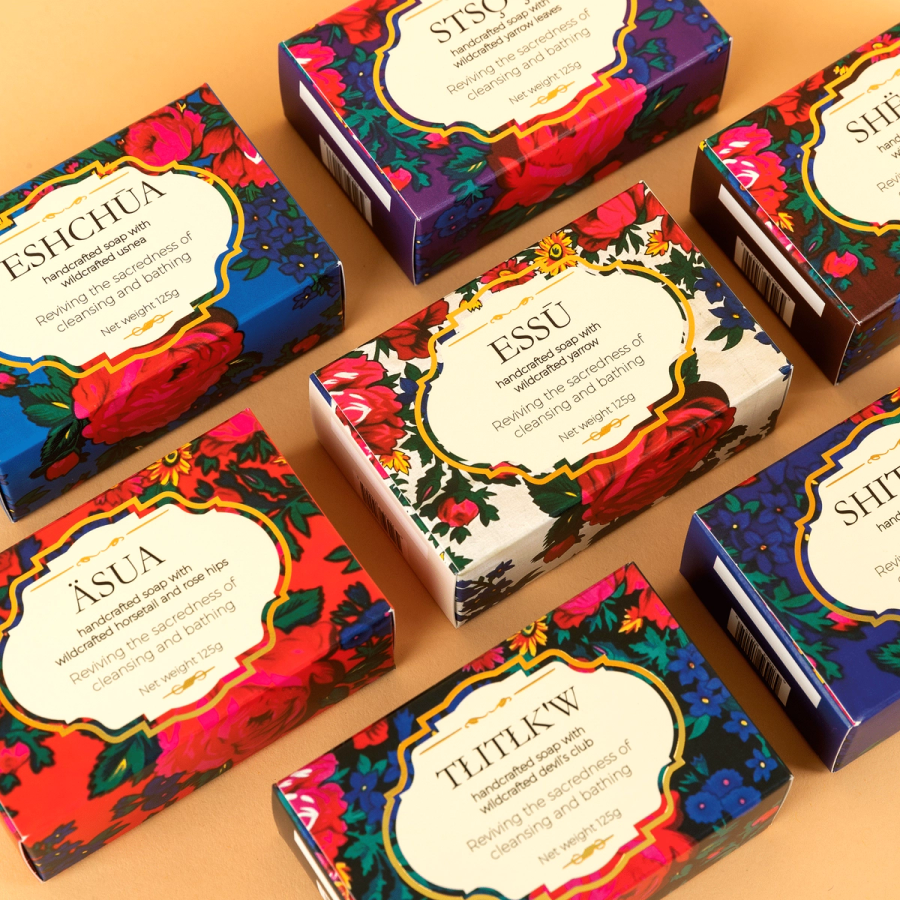



The minimum used to decide the idea
A limited edition, a regional variant, a seasonal SKU. Good ideas, all of them, and for years the answer was the same.
Not at that quantity.
Conventional print carries a fixed setup cost. Plates, or a cylinder, or a die, plus the make-ready time to bring a press into register. That cost is the same whether you run five thousand units or fifty thousand, so at low volumes it dominates the unit price and the idea dies on the quote.
Digital print removes the setup. No plates, minimal make-ready, and a per-unit cost that stays close to flat as quantity falls.
Short answer: digital print makes low quantities economically viable by removing plate and setup costs, which unlocks limited editions, regional variants, seasonal packaging and market testing before volume commitment. It loses to conventional print on unit cost at scale, on certain special finishes, and on some substrates. The decision is a crossover point, not a preference.
What short runs actually unlock
Testing before committing
The most commercially valuable use, and the least glamorous. Produce a small quantity, put it in front of real customers, and find out whether the pack performs before you order a year of it.
Brands routinely commit to twenty thousand units of a design validated by nothing more than internal agreement. A short run turns that into a decision informed by evidence, and the cost difference between the two approaches is smaller than the cost of being wrong.
Limited editions and seasonal
Runs that were previously uneconomic become straightforward. Holiday packaging, a collaboration, an anniversary edition. Each one is a reason for an existing customer to buy again, which is considerably cheaper than finding a new one.
Regional and channel variants
Different copy for different markets. A retailer-specific version. A subscription variant that differs from retail. Each of these used to need its own full run at full minimum.
Versioning within a single run
Because digital print carries no plate change, a run can contain variations at no setup penalty. Numbered editions, variant artwork, or a set customers collect.
Where digital still loses
Choose digital
Lower quantities, more variants
- Low volume. Where setup cost would dominate the unit price.
- Multiple versions. No plate change between variants.
- Speed. No plate lead time, so the print step compresses.
- Testing. Small quantities to validate before committing.
- Late changes. Artwork revisions cost far less to absorb.
Choose conventional
Higher volume, special finishes
- High volume. Setup amortises and unit cost drops below digital.
- Special finishes. Some foils, embossing and specialist coatings still need conventional processes.
- Specific substrates. Not every material takes digital ink well.
- Exact colour matching. A spot colour mixed to your standard can beat a process build on critical brand colours.
- Very large formats. Some press sizes remain conventional only.
The colour point deserves emphasis. If your brand colour is load-bearing and sits outside a standard process gamut, get a digital proof on your actual substrate before committing. This is the same tolerance conversation that governs recycled substrates.
Find your crossover point
There is a quantity at which conventional becomes cheaper than digital.
It is specific to your pack, your substrate and your supplier, and almost nobody asks for it.
Ask for both quotes at three quantities: what you think you need, half that, and double it. The crossover will be obvious, and it is the single most useful number in this decision.
It also frequently reveals that the quantity you assumed was your minimum was an assumption rather than a constraint.
How to structure a test run
- Decide what the test answers. Shelf impact, unboxing response, a specific design choice you are divided on. A test without a question is just a small order.
- Change one thing. If you vary the structure, the finish and the copy at once, you learn nothing about any of them.
- Use the same component. Keep the primary constant so the variable is genuinely the decoration.
- Set the decision rule in advance. What result leads to which action. Agree it before the data arrives, not after.
- Check the scale path. Confirm the winning version can be produced conventionally at volume before you run the test, so a successful result does not become a new project.
That last step is the one brands skip. A test that produces a winner you cannot economically scale has cost you time and taught you something you cannot use.
Frequently asked questions
What is short run packaging?
Packaging produced in low quantities, made economically viable by digital printing, which removes the plate and setup costs that dominate unit price at low volumes. It is used for limited editions, seasonal packaging, regional variants and market testing before committing to volume.
Is digital printing cheaper than conventional printing?
At low quantities, usually yes, because there is no plate or setup cost to absorb. At higher quantities conventional becomes cheaper as that setup amortises across more units. There is a crossover point specific to your pack and supplier, and it is worth asking for both quotes at several quantities to find it.
What are the limitations of digital printing on packaging?
Certain special finishes such as some foils and embossing still need conventional processes, not every substrate takes digital ink well, and exact brand colour matching can be harder than with a mixed spot colour. Get a proof on your actual substrate before committing if colour is critical.
How many units is a short run?
It depends entirely on the format and supplier, so the useful approach is not to ask for a number but to ask for quotes at several quantities and find where digital and conventional cross over. Brands frequently discover their assumed minimum was an assumption rather than a real constraint.
Got an idea the minimum killed?
Ask again
We help brands find the crossover point between digital and conventional, and structure short runs that answer a real question before volume gets committed.

James Ford is the founder and CEO of Knockout Packaging Solutions. He works across primary and secondary packaging, sustainable and conventional, for beauty, health and wellness, and lifestyle brands, from sourcing and design through to logistics.