

Why does packaging that looks great fail in production?
Packaging fails in production when it was designed for the consumer's eye rather than the filling line's reality. A design file is a flat, idealised representation. Production is a physical process running at speed, with real tolerances, real equipment, and real materials that behave differently than a render. The gap between those two worlds is where launch delays live — and almost every one of them was preventable at the design stage, before artwork was committed and tooling was cut.
The three most common failure modes are decoration that is stunning but incompatible with the available equipment, tolerances that look correct on a flat design but cause fill problems at speed, and closures that seal correctly in a hand sample but fail under production conditions. None of these show up until you are running the line — which is the most expensive possible moment to discover them.
What is design for manufacturability in packaging?
Design for manufacturability (DFM) in packaging is the discipline of designing components that can be produced reliably at scale — accounting for equipment limits, material behaviour, decoration tolerances, and assembly reality — without sacrificing brand impact. It is not about making packaging plainer. It is about catching the 'looks great, fails in production' problems early, when they cost a design revision, rather than late, when they cost a production run and a launch window.
Decoration limits: what finishes and tolerances can actually hold
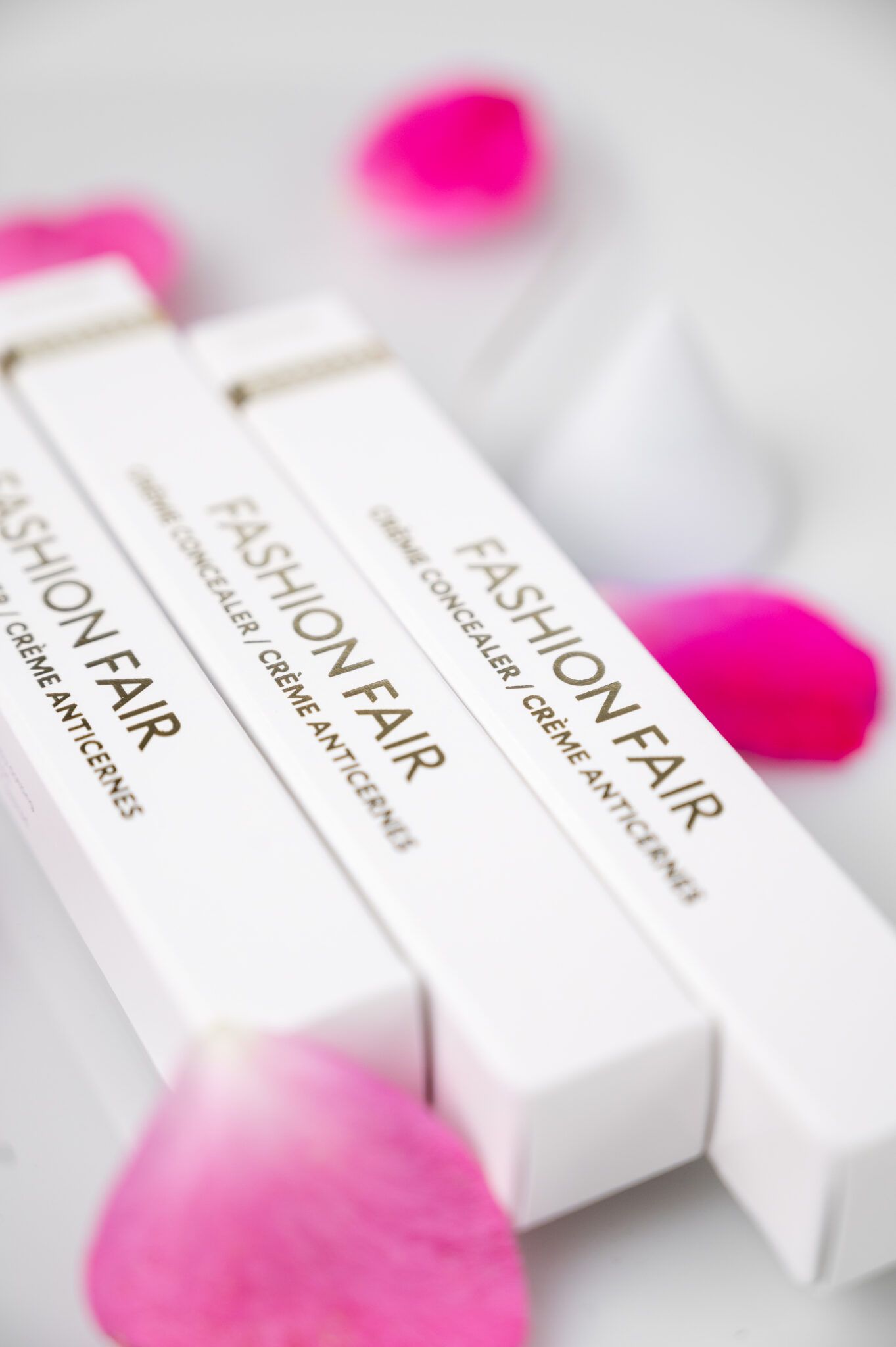
Every decoration method has physical limits. Silk-screen printing needs cure time and has registration tolerances that tighten cost as they tighten. Hot stamping and foil have minimum feature sizes and struggle with fine detail on curved surfaces. Soft-touch and matte coatings change how a label adheres and how the surface scuffs in transit. Wrap and sleeve labels behave differently on tapered versus straight-walled containers. A design that ignores these limits doesn't get rejected at the design review — it gets discovered three sample rounds later, when the registration won't hold at production speed and the timeline has already absorbed the cost.
The guardrail is simple: confirm decoration feasibility against the actual production method before artwork is finalised. Ask what the registration tolerance is at speed, what minimum feature size the method holds, and how the finish behaves through the full logistics chain — not just on a clean sample.
Tolerances and fill compatibility
Tolerances that look right on a flat dieline can cause fill problems on the line. Neck finish, closure torque, and wall thickness all interact with filling and capping equipment. A closure that threads perfectly by hand can cross-thread or under-torque at production speed. A container wall that looks fine can flex under vacuum fill. Fill compatibility — does the container and closure system work with the actual product viscosity, fill temperature, and line equipment — is a production spec, not a design detail, and it needs to be tested with production intent.
Prototype and sample with production intent
There is a difference between a sample that proves a design looks right and a sample that proves a design runs right. For a new product, sampling isn't a confirmation step — it's a standard-setting step. Round one should answer the hard questions: fill compatibility, decoration registration, closure torque, and label adhesion under real conditions. If round one only answers 'does it look like the mock-up,' you are deferring the real validation to round two, round three, and a compressed production timeline.
Stress-test with production intent: run fit and function against the filling line, drop-test the packed configuration, and check shelf-wear and scuff resistance on the actual finish. The goal is fewer sample rounds, not faster ones — make round one count by testing the highest-risk variables first, then lock the golden sample as the only reference that matters for production QC.
June is your last clear exit before H2 locks in
By July, most fall launch windows are committed — production is scheduled and the co-man expects a spec-complete brief in hand. The design-to-manufacture decisions that feel like they can wait, such as final label approval, closure torque confirmation, and decoration feasibility sign-off, are exactly the ones that push launches back by months when they surface late. June is the last clear exit to get design guardrails in place before the timeline stops forgiving mistakes.
Want a second set of eyes on your design before it goes to tooling? Ask for our 1-page packaging process overview.
Frequently asked questions
What is design for manufacturability in packaging?
It's the practice of designing packaging that can be produced reliably at scale — accounting for equipment limits, material behaviour, decoration tolerances, and assembly reality — without losing brand impact. The aim is to catch 'looks great, fails in production' issues at the design stage, when they cost a revision instead of a production run.
Why does packaging fail on the filling line when the design looked fine?
Because a design file is flat and idealised while production is physical and runs at speed. The common failure modes are decoration incompatible with the equipment, tolerances that cause fill problems at speed, and closures that seal in a hand sample but fail under production conditions — none of which appear until the line is running.
How many packaging sample rounds should a new product need?
Fewer than most projects use — but only if round one is treated as standard-setting rather than confirmation. Round one should test the highest-risk variables (fill compatibility, decoration registration, closure torque, label adhesion) so you can lock a golden sample, rather than deferring hard questions to rounds two and three.
What should a packaging prototype be tested for?
Test with production intent: fit and function against the actual filling line, closure torque and fill compatibility, drop performance in the packed configuration, and scuff or shelf-wear on the real finish — not just visual appearance on a clean sample.